Dog Treats vs Alternatives: Which is Better?
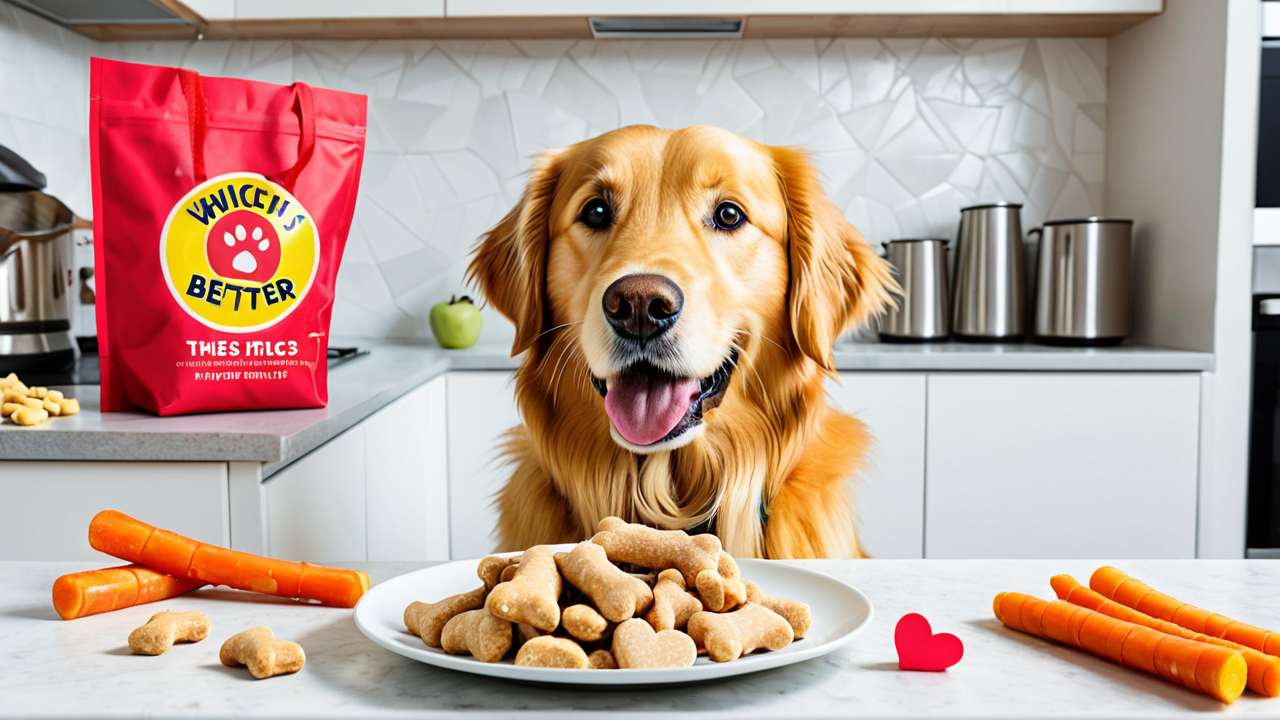
Dog Treats vs. Alternatives: The Ultimate Guide to Rewarding Your Pup
Every dog owner knows the magic of that moment: you reach for the treat bag, and your pup’s ears perk up, their tail starts wagging, and their eyes lock onto you with pure, undivided attention.
Treats are a cornerstone of the human-canine bond, serving as tools for training, tokens of affection, and aids for health.
But with shelves overflowing with options—from classic biscuits to dental chews, jerky to pill pockets—how do you choose what’s best?
And are there times when alternatives to traditional treats might be smarter?
This comprehensive guide dives deep into the world of dog treats vs.
alternatives.
We’ll compare product types, analyze their best uses, and provide actionable advice to ensure every snack you give supports your dog’s health, happiness, and training goals.
Our focus is always on safe, informed choices for your pet’s well-being.
Understanding the Role of Treats in Your Dog's Life
Treats are far more than just snacks. They serve several critical functions:
- Training & Positive Reinforcement: The fastest way to teach a new behavior or reinforce good manners.
- Mental Enrichment: Puzzle toys filled with treats can stave off boredom and destructive behaviors.
- Health Supplements: Some treats are designed for specific benefits like dental health, joint support, or hiding medication.
- Bonding: Sharing a treat is a simple, powerful way to strengthen your connection with your dog.
However, the golden rule is that treats should not exceed 10% of your dog’s daily caloric intake. Over-reliance can lead to obesity and nutritional imbalance.
This is where understanding the spectrum of treats and their alternatives becomes crucial.
Head-to-Head: Breaking Down Treat Types & Their Best Uses
Let’s compare the most common categories of commercial treats. The table below outlines their primary purpose, ideal use case, and key considerations.
| Treat Type | Primary Purpose | Ideal For | Key Considerations |
|---|---|---|---|
| Training Treats | High-value, rapid rewards | Obedience sessions, new skills | Must be small, soft, and low-calorie. |
| Dental Chews | Oral hygiene, tartar control | Daily or weekly dental care | Monitor chewing. Not a substitute for brushing. |
| Long-Lasting Chews | Jaw exercise, mental stimulation, boredom busting | Crate time, keeping busy | Choose appropriate size/hardness. Always supervise. |
| Functional Treats | Addressing a specific need (e.g., hiding pills) | Administering medication, sensitive stomachs | Check ingredients for allergens. |
| Everyday Biscuits | Affectionate reward, light chewing | Casual rewards, basic manners | Often higher in carbs; factor into diet. |
When to Consider Alternatives to Traditional Treats
Sometimes, the best "treat" isn't from a branded bag. Consider alternatives when:
- Managing Weight: Your dog is on a strict calorie budget.
- Food Sensitivities: Your dog has allergies to common treat ingredients.
- High-Frequency Training: You need dozens of rewards without overfeeding.
- Seeking Whole Foods: You prefer to use minimally processed options.
Popular & Safe Whole Food Alternatives:
- Fresh Vegetables: Carrot sticks, cucumber slices, green beans (plain, no salt).
- Fresh Fruits: Apple slices (no seeds), blueberries, banana chunks (sparingly due to sugar).
- Lean Proteins: Boiled chicken breast, plain turkey, or freeze-dried single-ingredient meats.
- Commercial Food: Using a portion of your dog’s daily kibble as training rewards.
⚠️ Safety First: Always avoid grapes, raisins, onions, garlic, chocolate, xylitol, and foods high in salt or fat.
Top Picks: Featured Products for Every Need
Based on quality, purpose, and stellar customer reviews, here are our top recommendations for specific treat categories. These products exemplify the best in their class for safety, palatability, and function.
Best for Medicating: Greenies Pill Pockets
$17.98 4.7 out of 5 stars Verified Amazon product
- Price: $17.98
- Rating: 4.7 out of 5 stars
Administering pills can be a battle of wills.
Greenies Pill Pockets turn it into a treat time.
The soft, malleable paste completely conceals pills or capsules, and the irresistible peanut butter flavor ensures most dogs gulp it down without a second thought.
This is a functional treat that reduces stress for both you and your pet.
Best for Long-Lasting Chewing: Pur Luv Chicken Jerky
$14.94 4.6 out of 5 stars Verified Amazon product
- Price: $14.94
- Rating: 4.6 out of 5 stars
Made with a single ingredient—real chicken breast—this jerky is a healthy, high-protein option that satisfies a dog's natural urge to chew.
It’s easily digestible and provides a longer-lasting engagement than a small training treat.
Perfect for when you need your dog content and occupied.
Always choose jerky from reputable brands to ensure safety and quality.
Best Value Everyday Biscuit: Milk-Bone Originals
$13.62 4.8 out of 5 stars Verified Amazon product
- Price: $13.62
- Rating: 4.8 out of 5 stars
A classic for a reason.
Milk-Bone Original biscuits are a cost-effective, widely accepted treat for casual rewarding.
Their crunchy texture provides mild dental benefits through abrasion.
The large 10-pound bag is ideal for multi-dog households or as a staple in your treat rotation.
Remember, due to their size and calorie content, they are best broken into smaller pieces for training.
Best High-Value Training Treat: Vital Essentials Beef Liver
$5.99 4.5 out of 5 stars Verified Amazon product
- Price: $5.99
- Rating: 4.5 out of 5 stars
For demanding training situations or distracting environments, you need a "high-value" treat.
These freeze-dried beef liver nuggets are pure protein, intensely aromatic, and utterly irresistible to most dogs.
Being single-ingredient, grain-free, and filler-free, they are also an excellent choice for dogs with sensitive stomachs or allergies.
The small size is perfect for repeated rewards.
Best for Dental Care: Pedigree Dentastix
$14.89 4.8 out of 5 stars Verified Amazon product
- Price: $14.89
- Rating: 4.8 out of 5 stars
Veterinarian-recommended Pedigree Dentastix are designed with a unique texture and shape to clean down to the gumline, reducing plaque and tartar buildup.
Giving one daily as part of an oral care routine can support dental health.
They are a tasty treat that serves a functional purpose, though they should complement, not replace, regular veterinary dental checkups and teeth brushing.
How to Choose: A Practical Action Plan for Pet Owners
- Define the Purpose: Are you training, medicating, supporting dental health, or just saying "I love you"? Match the treat to the task.
- Read the Ingredient List: The first few ingredients tell the story. Look for whole protein sources (e.g., "chicken," "beef liver") rather than vague terms ("meat by-products"). Avoid artificial colors, flavors, and excessive preservatives.
- Consider Your Dog's Profile: Factor in age, size, breed, activity level, and any known allergies or sensitivities. A treat for a sedentary senior dog will differ from one for an athletic puppy.
- Practice Portion Control: Adjust your dog's main meal size on heavy treat days. Break large treats into smaller pieces to maximize rewards without excess calories.
- Supervise Always: Especially with long-lasting chews or new treats, watch your dog to prevent choking or aggressive gulping.
- Introduce Slowly: When trying any new treat, give a small piece first and monitor for 24 hours for any signs of digestive upset or allergic reaction.
Frequently Asked Questions (FAQ)
Q: How many treats is too many?
A: As a general rule, treats should not make up more than 10% of your dog’s total daily calories. Consult your vet to calculate your dog's specific needs, especially if they need to lose weight.
Q: Are human foods safe as dog treat alternatives?
A: Some are excellent, but you must know which are safe. Great options include plain cooked chicken, carrots, green beans, blueberries, and apple slices (no core). Never give grapes, raisins, onions, garlic, chocolate, or anything containing the sweetener xylitol.
Q: My dog has a food allergy. What treats should I look for?
A: Opt for limited-ingredient or single-ingredient treats (like the Vital Essentials beef liver). Identify the allergen (common ones are beef, dairy, chicken, wheat) and choose treats that avoid it entirely. Hypoallergenic treats with novel proteins (e.g., salmon, duck, kangaroo) can also be a good fit.
Q: What's the difference between a treat and a chew?
A: A treat is typically consumed quickly and used for immediate reward. A chew (like a jerky strip or dental stick) is designed to be consumed over a longer period, providing mental stimulation and satisfying the chewing instinct. Always supervise your dog with any chew.
Q: Are dental treats as good as brushing my dog's teeth?
A: No. Dental treats are a helpful supplement to an oral care routine and can help reduce plaque between brushings. However, they are not a substitute for the mechanical action of daily tooth brushing with a vet-approved toothpaste, which is the gold standard for preventing periodontal disease.
Q: Can I use my dog's regular kibble as training treats?
A: Absolutely! This is one of the smartest alternatives for high-volume training or weight management. Simply set aside a portion of their daily kibble allowance to use during training sessions. For higher distraction environments, you may need to mix in a few higher-value treats.
Choosing between dog treats and alternatives isn't about finding one perfect product; it's about building a toolkit.
Have a stash of high-value training treats for important lessons, a reliable dental chew for daily care, a long-lasting option for quiet time, and don’t underestimate the power of a piece of your dog’s kibble or a fresh green bean.
By making informed, purposeful choices, you can reward your best friend in a way that celebrates your bond and actively contributes to their long, healthy, and happy life.