Dog Toys vs Alternatives: Which is Better?
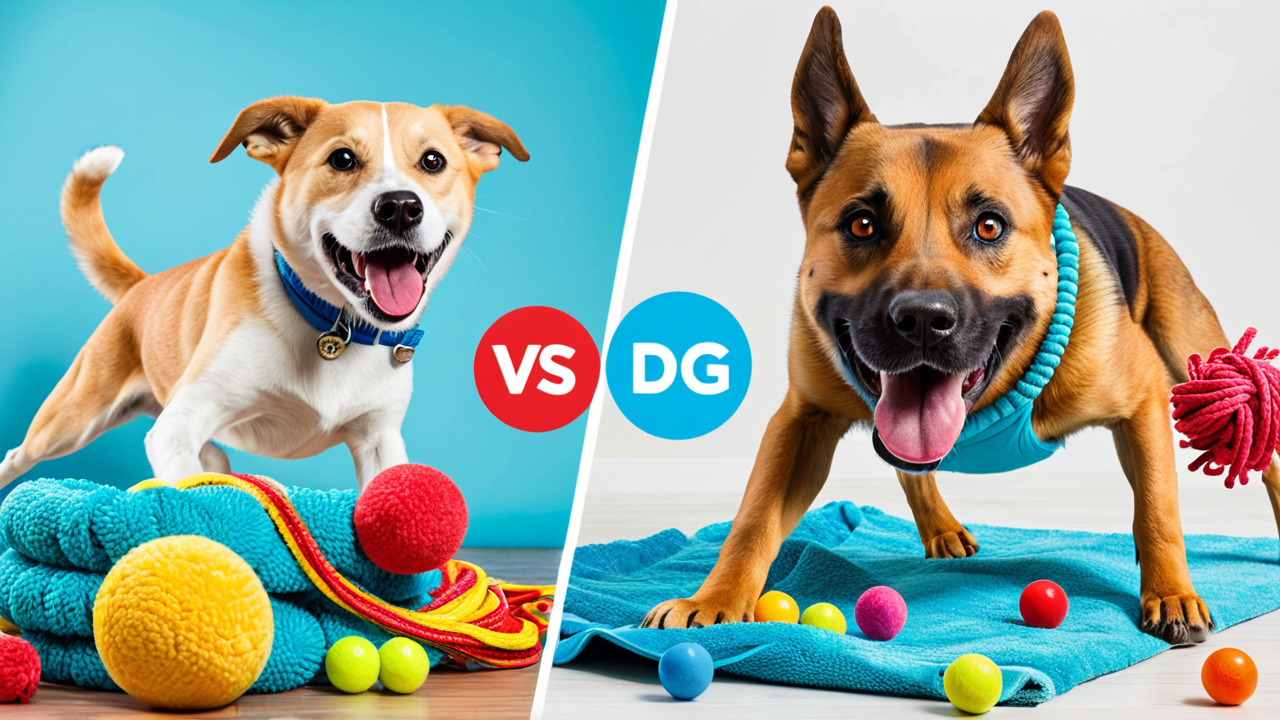
Dog Toys vs. Alternatives: The Ultimate Guide to Safe, Smart Play
Every dog owner knows the scene: a new, expensive toy lies in tatters within minutes, while your dog proudly chews on a stolen shoe or a random stick from the yard.
It leaves you wondering—are traditional dog toys really the best option, or are there safer, more engaging alternatives?
The truth is, a dog's playtime arsenal should be a thoughtful mix of both.
This comprehensive guide will dive deep into the world of dog toys vs.
alternatives, comparing safety, durability, mental stimulation, and cost.
Our goal is to help you build the perfect play regimen for your dog's unique needs, ensuring they stay happy, healthy, and out of trouble.
Why Play is Non-Negotiable for Your Dog's Well-being
Before we compare, it's crucial to understand why we provide objects for play. Play is not a luxury; it's a fundamental pillar of canine health.
- Physical Exercise: Prevents obesity, keeps joints healthy, and burns off destructive energy.
- Mental Stimulation: Boredom is the root of many behavior problems like excessive barking, digging, and chewing. Mental exercise is just as tiring as physical.
- Dental Health: Chewing on appropriate items helps scrape away plaque and tartar.
- Stress Relief: Play releases endorphins, reducing anxiety and promoting relaxation.
- Bonding: Interactive play strengthens the irreplaceable bond between you and your dog.
Head-to-Head: The Great Playtime Showdown
Let's break down the core categories, comparing purpose-built dog toys with common household or natural alternatives.
Durability & Safety: The Chew Test
| Feature | Purpose-Built Dog Toys | Common Alternatives (Sticks, Socks, etc.) |
|---|---|---|
| Design Intent | Specifically engineered for chewing. Materials and construction are (ideally) tested for canine use. | Not designed for dogs. Safety is incidental and often non-existent. |
| Material Safety | Can range from non-toxic rubber, nylon, and felt to questionable plastics. Requires owner vetting. | Highly variable and risky. Can contain chemicals, dyes, splinters, or harmful bacteria. |
| Choking/Hazard Risk | Good toys are designed to minimize breakage into swallowable pieces. Always supervise. | Extremely high. Sticks splinter, socks cause blockages, plastic fragments can perforate intestines. |
| Dental Impact | Can promote dental health with textured surfaces. | Often too hard (like bones, antlers) and can fracture teeth, or too soft and do nothing. |
Verdict: Dog toys win on safety—but only when you choose the right ones. A well-made, appropriately sized toy from a reputable brand is inherently safer than a random household item. Alternatives like sticks and old shoes come with significant, often hidden, risks.
Mental Engagement & Enrichment
| Feature | Interactive/Puzzle Dog Toys | Alternatives (Cardboard Boxes, Muffin Tins) |
|---|---|---|
| Cognitive Challenge | Designed specifically to engage problem-solving skills. Levels of difficulty can be matched to your dog's intelligence. | Requires owner creativity to set up. The challenge is less structured but can be very effective. |
| Convenience | Ready to use out of the box. Often easy to clean and reload. | Requires assembly and can be messy (e.g., spreading kibble in a towel). |
| Long-Term Value | Durable puzzles can provide years of engagement. | Often disposable or single-use. The "prep" is part of the activity. |
| Food Motivation | Excellent for slowing down fast eaters and making mealtime an event. | Perfect for DIY, low-cost enrichment. Great for hiding treats or a portion of a meal. |
Verdict: It's a tie. Commercial interactive dog toys and puzzle toys offer convenience and proven design. However, DIY alternatives (like a muffin tin with tennis balls covering kibble) are fantastic, cost-effective ways to provide mental stimulation. The best approach is to use both.
Cost & Value Over Time
| Feature | Dog Toys | Alternatives |
|---|---|---|
| Upfront Cost | Can be high, especially for premium, durable brands. | Often $0 (sticks, boxes) to very low (frozen carrots, old towels). |
| Longevity | A truly indestructible dog toy (though rare) can last years, offering great value. | Most are single-session or short-term. They are consumables. |
| Hidden Costs | Potentially $0 if safe and durable. A cheap toy that breaks and causes a vet visit is extremely costly. | Extremely high. Emergency surgery for a bowel obstruction from a swallowed sock can cost thousands. |
| Variety | Requires continuous purchase to maintain novelty. | Easy and free to rotate (different boxes, bottles, fabric scraps). |
Verdict: While alternatives seem cheaper upfront, purpose-built toys offer better long-term value when safety is factored in. Investing in a few high-quality, durable toys is more economical than risking a devastating vet bill. Use DIY alternatives for supervised, low-risk enrichment.
Top Picks: The Best in Class for Safe, Engaging Play
Based on key benefits like durability, interactivity, and fun, here are our top recommendations for must-have dog toys. These represent the gold standard in their categories.
For the Power Chewer: Indestructible Dog Toys
These are for dogs who view toys as a personal challenge. Look for durable rubber, nylon, and innovative designs.
KONG Extreme: The classic for a reason.
Made from ultra-strong black rubber, it's perfect for stuffing with treats and freezing.
It satisfies the urge to chew and can keep a dog busy for an hour.
2. GoughNuts Indestructible Chew Toy: Built with a safety indicator (a colored inner layer), these toys are rigorously tested. If you see the inner color, it's time to replace.
3. West Paw Zogoflex Tux: Not only incredibly tough and dishwasher safe, but West Paw also has a great recycling program. A fantastic interactive treat-dispensing toy.
For Mental Gymnastics: Interactive & Puzzle Toys
Turn your smart pup's brain on to tire them out from the inside.
- Outward Hound Hide-A-Squirrel: A brilliant plush puzzle that taps into your dog's prey drive. They must work to pull the squeaky squirrels out of the log.
- Nina Ottosson by Outward Hound Dog Brick: One of the best entry-level puzzle toys. Dogs slide and flip compartments to reveal hidden treats, offering a great cognitive workout.
- Starmark Treat Dispensing Bob-a-Lot: A weighted, wobbling dispenser that makes your dog work for every piece of kibble. Excellent for slowing down meals and providing active play.
For Active Bonding: Fetch Toys
Designed for flight, durability, and interaction between you and your dog.
- Chuckit! Ultra Ball: The high-visibility, durable standard for fetch. Bounces erratically for fun and is easy to pick up with a Chuckit! Launcher.
- KONG Flyer: A more durable alternative to standard frisbees. Made of flexible, gentle material that's easier on a dog's teeth and jaws during catching.
- Hyper Pet Fetch Stick: Perfect for dogs who love sticks but shouldn't chew them. This durable, flexible toy mimics the thrill of a stick without the splintering danger.
How to Build a Balanced Play Arsenal: Actionable Advice
A one-toy-fits-all approach doesn't work. Follow this strategy:
- Know Your Dog: Is your dog a chewer, a shredder, a fetcher, or a solver? Match the toy to the instinct.
- The Rotation Rule: Have 5-7 toys and only keep 2-3 out at a time. Rotate them weekly to maintain "novelty," which keeps interest high.
- Supervise, Always: No toy is 100% indestructible. Always supervise play, especially with new toys, power chewers, and any alternative items.
- Inspect Regularly: Check toys for wear and tear. Look for cracks, loose parts, or pieces small enough to be swallowed. When in doubt, throw it out.
- Mix and Match Categories: Ensure your dog has access to:
- A chew toy (like a KONG) for solo satisfaction.
- A puzzle toy for mental meals.
- An interactive/fetch toy for bonding with you.
- A comfort toy (like a soft plush) for gentle carry (if they don't destroy it).
- Use Alternatives Wisely: Designate safe DIY options.
- Frozen Kongs: Stuff with wet food, peanut butter (xylitol-free), yogurt, and freeze.
- Snuffle Mat: Hide kibble in a woven fabric mat for foraging fun.
- Supervised Cardboard Destruction: Let your shredder have a dedicated, tape-and-label-free box to destroy. Clean up immediately after.
Frequently Asked Questions (FAQ)
Q1: My dog destroys every toy in minutes. What should I do?
A: First, identify the destruction style.
For shredders, try felt-based toys like the Hide-A-Squirrel log without the squirrels.
For powerful chewers, move immediately to the toughest tier: indestructible dog toys made by brands like GoughNuts, KONG Extreme, and West Paw.
Always supervise and remove the toy once intense, destructive chewing begins, redirecting to an appropriate chew.
Q2: Are rawhides, bones, or antlers safe alternatives to toys?
A: This is a major point of caution.
Rawhides can swell and cause blockages, and many are processed with chemicals.
Bones (cooked or brittle) can splinter and cause choking or internal damage.
Antlers and hooves are extremely hard and are a common cause of slab fractures in dogs' teeth.
We recommend high-quality, digestible chews (like single-ingredient collagen chews) or a durable rubber toy stuffed with food instead.
Q3: How do I know if a toy is the right size for my dog?
A: A toy should be large enough that it cannot be swallowed whole or become lodged in your dog's throat.
For chew toys, it should be big enough that your dog can't fit the entire width in their mouth and clamp down on it with their back molars, which exert the most force.
Q4: My dog isn't interested in toys. How can I encourage play?
A: Some dogs need to be taught to play.
Start by associating the toy with high-value rewards.
Rub a treat on a puzzle toy.
Toss a treat when they nudge a ball.
Use excited, engaging body language.
Find their motivation—some dogs are food-driven (use treat toys), others are prey-driven (use flirt poles or squeaky toys).
Be patient and keep sessions short and positive.
Q5: Are DIY toy alternatives safe?
A: They can be, with strict rules.
Never give your dog anything with: small parts, strings, adhesives/tape, sharp edges, or toxic materials.
Always supervise.
Good, supervised DIY options include: frozen carrots (great for teething pups), a knotted old towel soaked in low-sodium broth and frozen, or a clean plastic water bottle inside a sock (remove the cap and ring first, and discard at first sign of breaking).
Q6: How often should I buy new toys for my dog?
A: It's less about frequency and more about condition and novelty.
You shouldn't need to constantly buy new toys if you invest in durable ones and use the rotation method.
New toys should be introduced when old ones wear out, or when you need to add a new type of enrichment (like a more advanced puzzle).
A "new" toy can also be an old toy that's been out of rotation for a month!
The Final Verdict: A Harmonious Blend
In the debate of dog toys vs.
alternatives, the winner is your dog—when you make informed, safety-first choices.
Purpose-built dog toys are the essential, reliable backbone of safe play.
They are designed for the job, offering durability, enrichment, and peace of mind.
Alternatives have their place as creative, cost-effective supplements for supervised enrichment. They should be used intentionally, not as a default.
The ultimate strategy is curation, not substitution.
Build a core collection of high-quality, safe toys in key categories.
Then, supplement with well-vetted DIY activities for added mental spice.
By understanding your dog's needs and the pros and cons of each option, you can create a playtime paradise that keeps their tail wagging, their mind sharp, and their body safe for years to come.
Products Mentioned in This Article
