Small Animal Supplies vs Alternatives: Which is Better?
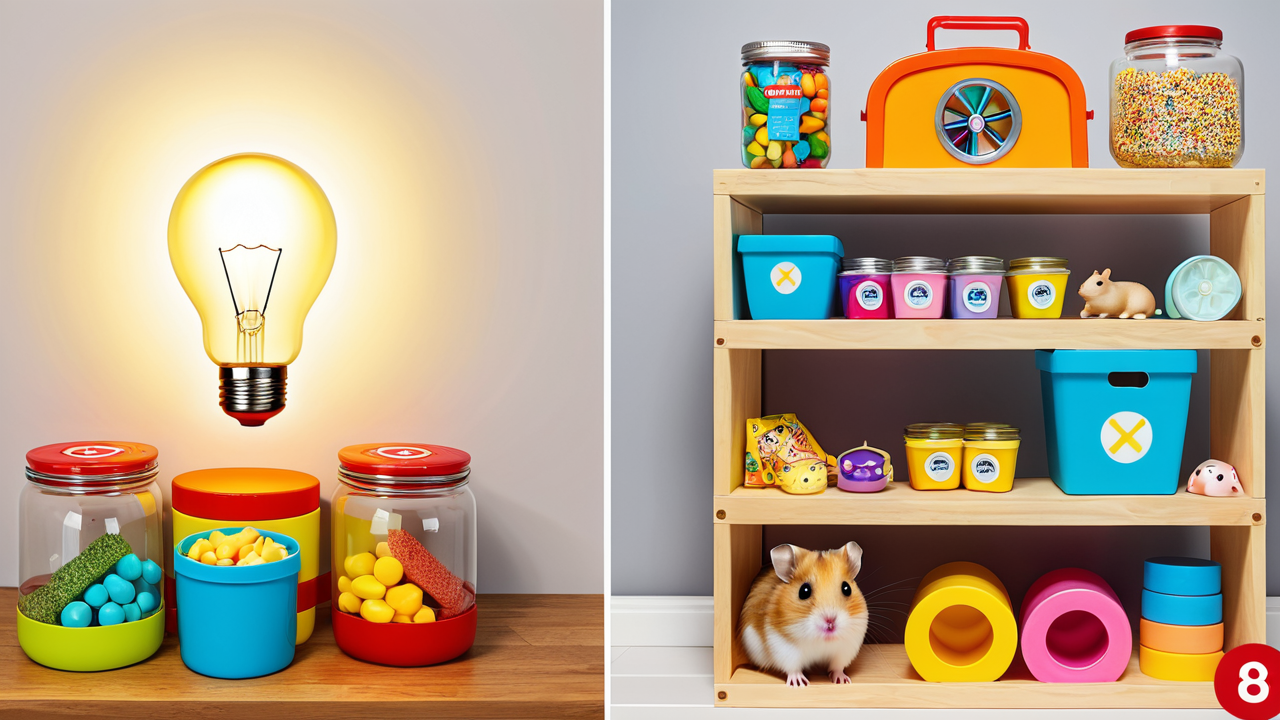
Small Animal Supplies vs. Alternatives: The Ultimate Guide for Responsible Pet Owners
Welcome to the wonderful world of small animal companionship!
Whether you're a seasoned pro with a mischief of rats or a new parent to a fluffy guinea pig, providing the best care is your top priority.
A common crossroads many owners face is choosing between purpose-made small animal supplies and readily available household alternatives.
While improvisation can be tempting, the choice you make directly impacts your pet's health, safety, and happiness.
This comprehensive guide will dive deep into the critical comparisons, separating cost-effective hacks from potentially dangerous compromises.
We'll focus on the core needs of popular small pets like rabbits, guinea pigs, hamsters, chinchillas, and ferrets, providing you with the knowledge to build a thriving environment for your tiny friend.
Why "Pet-Specific" Isn't Just a Marketing Gimmick
Before we compare individual items, it's crucial to understand the fundamental why. Small animals have unique physiologies, behaviors, and vulnerabilities that aren't accounted for in products designed for humans or even other pets.
- Metabolic Differences: A rabbit's digestive system is a finely-tuned fermenting machine. Guinea pigs cannot synthesize their own Vitamin C. These biological facts dictate specific nutritional needs.
- Behavioral Needs: Rodents and lagomorphs have continuously growing teeth and a natural drive to chew, dig, and forage. Supplies are designed to safely accommodate these instincts.
- Size & Safety: Their small size means they are more susceptible to toxins, injuries from falls, and entrapment. Pet-safe materials, bar spacing, and construction are non-negotiable.
- Preventative Health: The right supplies are your first line of defense against common ailments like dental disease, obesity, pododermatitis (sore hocks), and respiratory issues.
Head-to-Head Comparison: Essential Supplies vs. Household Alternatives
Let's break down the most common categories, examining the risks and benefits of each approach.
1. Nutrition: Commercial Food vs. Human Food Scraps
This is arguably the most critical category. An improper diet can lead to severe, often fatal, health problems within days.
| Aspect | Purpose-Made Small Animal Food | Household Food Alternatives / Scraps |
|---|---|---|
| Nutritional Balance | Formulated by veterinary nutritionists to provide precise ratios of fiber, protein, fat, vitamins, and minerals. | |
| E.g., high-fiber pellets for rabbits, Vitamin C-fortified food for guinea pigs. | ||
| Unbalanced and unpredictable. |
High risk of deficiencies (e.g., hypovitaminosis C in guinea pigs) or excesses (e.g., fatal diarrhea from sugary fruits).
|
| Dental Health | The abrasive texture of quality pellets and hay helps grind down constantly growing teeth. | Soft human foods do not provide necessary abrasion, leading to painful dental malocclusion (overgrowth). |
| Gut Health | High-fiber formulations support crucial gut motility and healthy cecum function in herbivores. | Low-fiber, high-carb, or fatty foods can cause life-threatening GI stasis, bloat, or dysbiosis. |
| Safety | Ingredients are screened for pet-safe toxins. | Many common human foods are toxic (e.g., avocado, onion, garlic, chocolate, some lettuce types). |
| Convenience | Measured, consistent, and easy to store. | Requires extensive research to ensure each item is safe, leading to potential error. |
Actionable Advice: The foundation of every rabbit and guinea pig's diet should be unlimited, high-quality grass hay (Timothy, Orchard, Meadow). This is non-negotiable. Pellets are a supplemental source of concentrated nutrients. For hamsters, a species-specific seed and pellet mix is essential.
Top Pick for Rabbit Food: Oxbow Essentials Adult Rabbit Food - A uniform, hay-based pellet that prevents selective feeding.
Top Pick for Guinea Pig Food: Small Pet Select Guinea Pig Food - Fortified with Vitamin C and made with simple, wholesome ingredients.
2. Housing: The Proper Cage vs. DIY Enclosures
Housing is your pet's entire world. It must provide security, space, and safety.
| Aspect | Purpose-Made Small Animal Cage/Habitat | DIY Bin Cages or Repurposed Furniture |
|---|---|---|
| Ventilation | Designed with optimal airflow to prevent ammonia buildup from urine, which causes respiratory infections. | Plastic storage bins (bin cages) require extensive, safe modification with mesh to avoid deadly poor ventilation. |
| Space & Design | Key Point: Most commercial cages sold in stores are still too small. |
Look for ones that meet or exceed modern minimum standards (e.g., 8 sq ft for a single guinea pig, 40+ gallons for a Syrian hamster).
| Can be cost-effective to create a very large enclosure, like a C&C (Cubes & Coroplast) cage for guinea pigs.
This is the one area where a well-researched DIY can be superior. |
| Safety | Rounded corners, secure latches, and safe bar spacing to prevent escapes or head entrapment. | DIY projects risk sharp edges, insecure lids (for climbers like ferrets and rats), and toxic materials (certain woods, glues, paints). |
| Ease of Cleaning | Designed with removable pans, accessible doors, and durable, waterproof materials. | Can be cumbersome to clean if not designed thoughtfully, leading to hygiene shortcuts. |
| Containment | Built to withstand chewing and digging from powerful teeth and claws. | Plastic bins can be chewed through; wood can be soaked with urine and become unsanitary. |
Actionable Advice: Always prioritize floor space over height for ground-dwelling animals. For rabbits and guinea pigs, a large exercise pen (x-pen) is often better than any traditional cage. Ferrets and rats need multi-level cages with solid flooring.
Top Pick for Guinea Pig Cage: Midwest Guinea Pig Habitat - Provides a spacious, well-ventilated area that can be expanded with add-ons.
For Rabbits: Consider a modular exercise pen paired with a large litter box and matting.
3. Bedding & Litter: Absorbent Substrates vs. Newspaper/Shredded Paper
What lines your pet's home affects their respiratory health, comfort, and cleanliness.
| Aspect | Commercial Paper, Aspen, or Hemp Bedding | Newspaper, Shredded Office Paper, or Pine/Cedar Shavings |
|---|---|---|
| Dust & Respiration | Low-dust paper and aspen are safe. Hemp is highly absorbent and virtually dust-free. | Newspaper ink can be toxic. NEVER use pine or cedar shavings—their aromatic phenols cause severe liver and respiratory damage. |
| Absorbency & Odor Control | Highly engineered to absorb moisture and neutralize ammonia odors for days. | Poorly absorbent, leading to dampness, ammonia buildup, and frequent changes. Shredded paper mats quickly. |
| Comfort & Insulation | Provides cushioning for feet and helps regulate temperature. | Thin newspaper offers no cushioning, contributing to sore hocks. |
| Burrowing Instinct | Some beddings (like paper-based) allow for safe digging and tunneling for species like hamsters. | Does not hold burrow structure. |
| Cost Over Time | More cost upfront, but lasts longer due to high absorbency, requiring less frequent full changes. | Seems cheap but requires near-daily changing, increasing long-term labor and cost. |
Actionable Advice: For litter-trained rabbits and ferrets, use a paper-based litter in their tray. For the rest of the enclosure, use washable fleece liners (over an absorbent layer) or a thick layer of bedding. For hamsters, provide a deep layer (6+ inches) of safe bedding for burrowing.
4. Enrichment & Accessories: Safe Toys vs. Household Items
Chewing and playing aren't optional; they are behavioral necessities.
| Aspect | Pet-Safe Chews, Tunnels, & Toys | Cardboard Tubes, Toilet Paper Rolls, Sticks |
|---|---|---|
| Material Safety | Made from untreated, pet-safe woods (apple, willow), seagrass, loofah, or hard plastics. | |
| Can be safe with strict vetting: Cardboard must be glue/ink-free. |
Sticks must be from non-toxic trees (apple, willow), baked to kill pests.
Never use painted wood or objects with staples/glue.
|
| Dental Benefit | Hard woods and mineral chews are calibrated to effectively wear down teeth. | Cardboard is too soft for significant dental wear but is great for shredding enrichment. |
| Physical & Mental Stimulation | Designed to encourage natural foraging, problem-solving, and exercise. | Excellent, cost-free enrichment when sourced safely. A simple paper towel roll stuffed with hay is a fantastic foraging toy. |
| Durability | More durable, providing longer-term value. | Destructible, which is part of the fun! Meant to be replaced. |
Actionable Advice: A mix of both is ideal and budget-friendly! Invest in a few key, durable items like a solid wooden chew castle and a silent exercise wheel (properly sized to prevent back arching), then supplement with DIY toys made from safe materials.
Top Pick for Hamster Accessories: A Niteangel Multi-Chamber Hideout satisfies deep burrowing instincts and provides security.
5. Health & Grooming: Specialized Tools vs. Human Products
| Aspect | Small Animal Grooming & Health Supplies | Human/Alternative Products |
|---|---|---|
| Nail Clippers | Small, scissor-style clippers with good visibility for tiny quick (blood vessel). | Human nail clippers can splatter nails. Dog clippers are too large and clumsy, increasing risk of injury. |
| Shampoo | Only if vet-recommended for a soiled pet. pH-balanced for delicate skin, often tear-free. | Human shampoo destroys the skin's acid mantle and natural oils, leading to dryness, irritation, and infection. |
| First-Aid | Styptic powder (stops bleeding from nails), small animal-safe antiseptic. | Using human antiseptics or antibiotics without vet guidance can be toxic. |
Actionable Advice: Never bathe rabbits, guinea pigs, or hamsters unless medically necessary. Spot clean with a damp cloth. Regularly check and trim nails. Establish a relationship with an exotic animal veterinarian—they are your most important "supply."
Top Picks: Essential Small Animal Supplies You Can Trust
Based on our comparisons, here are foundational products that prioritize animal well-being:
- Best Overall Nutrition Foundation: Small Pet Select 2nd Cutting Timothy Hay. High-fiber, fragrant, and dust-extracted—the cornerstone of herbivore health.
- Best Spacious Housing Solution: Midwest Guinea Pig Habitat. A readily available cage that actually meets minimum space requirements and allows for expansion.
- Best Enrichment Must-Have: Kaytee Silent Spinner Wheel (appropriately sized). A solid-surface, quiet wheel for essential rodent exercise.
- Best Bedding for Odor & Comfort: Carefresh Small Pet Bedding. Ultra-absorbent, soft, and controls odors effectively for small mammals.
- Best Essential Grooming Tool: Safari Professional Small Animal Nail Trimmer. Sharp, precise, and designed for visibility to make nail trims safer.
Frequently Asked Questions (FAQ)
Q1: I see cute, colorful cages at the store. Are those okay for my dwarf hamster?
A: Unfortunately, most colorful, plastic "critter trail"-style cages are dangerously small and lack proper ventilation.
They do not meet the ethical minimum space requirements (450+ sq inches of continuous floor space) and can lead to stress-induced behaviors.
Opt for a large tank or a well-ventilated bin cage.
Q2: Can't I just give my guinea pig orange slices for Vitamin C instead of buying special food?
A: While oranges can be an occasional treat, they are high in sugar.
Relying on them for Vitamin C is unreliable and risky.
The amount of C degrades quickly in produce.
A consistent, measured source—like a quality fortified pellet or a daily vitamin C tablet (from your vet)—is the only way to guarantee they get this essential, life-saving nutrient.
Q3: Is it really that bad to use pine bedding? I've heard it's "kiln-dried."
A: Yes, it is a significant risk.
Even kiln-dried pine may retain some level of aromatic phenols, which are toxic to small animals' livers and respiratory tracts.
With so many proven safe alternatives available (paper, aspen, hemp), there is no reason to take this chance with your pet's health.
Q4: My rabbit loves to chew my baseboards. Can I give him sticks from my backyard?
A: You can, but you must properly identify and prepare them.
Only use wood from non-toxic trees (apple, willow, aspen).
Avoid all wood from stone-fruit trees (like cherry or plum).
Thoroughly wash and then bake the sticks at a low temperature (200°F) for 30-60 minutes to kill any pests or mold before giving them to your pet.
Q5: Are there any household alternatives that are actually better than pet store supplies?
A: Absolutely!
DIY enrichment is a fantastic area.
Creating foraging toys from untreated cardboard boxes, paper bags, or egg cartons is excellent.
Building a dig box with organic soil or a sand bath for chinchillas/hamsters can be better than commercial options.
The key is always to research material safety first.
Q6: How can I tell if a "pet-safe" product is actually trustworthy?
A: Look for brands with a strong reputation in the exotic pet community (like Oxbow, Small Pet Select, Niteangel).
Read ingredient lists or material descriptions carefully.
Avoid products with excessive dyes, sugary coatings, or vague terms like "animal by-products." When in doubt, consult your exotic vet or trusted online communities dedicated to your specific pet.
The Final Verdict: Invest in Well-being
Choosing between small animal supplies and alternatives boils down to risk management.
Purpose-made supplies are engineered to mitigate the specific risks your pet faces—nutritional imbalance, respiratory illness, physical injury, and toxic exposure.
While safe, well-researched DIY solutions have their place (especially in creating large, enriching spaces), they should not extend to the core pillars of nutrition, respiratory safety, and fundamental housing structure.
The potential cost savings of an alternative are never worth an emergency vet visit or the loss of a beloved companion.
Your small pet depends on you entirely.
By investing in quality supplies from reputable brands, you're not just buying a product—you're purchasing peace of mind, preventative healthcare, and the foundation for a long, joyful life together.
Start with the essentials that safeguard their health, and get creative with the enrichment that spices up their daily routine.
Happy pet parenting
Related Articles
Best Small Animal Supplies 2026: Reviews & Top Picks
Related Products
Check out our top-rated Small Animals products
