Are Small Animal Supplies Safe? Benefits & Risks Explained
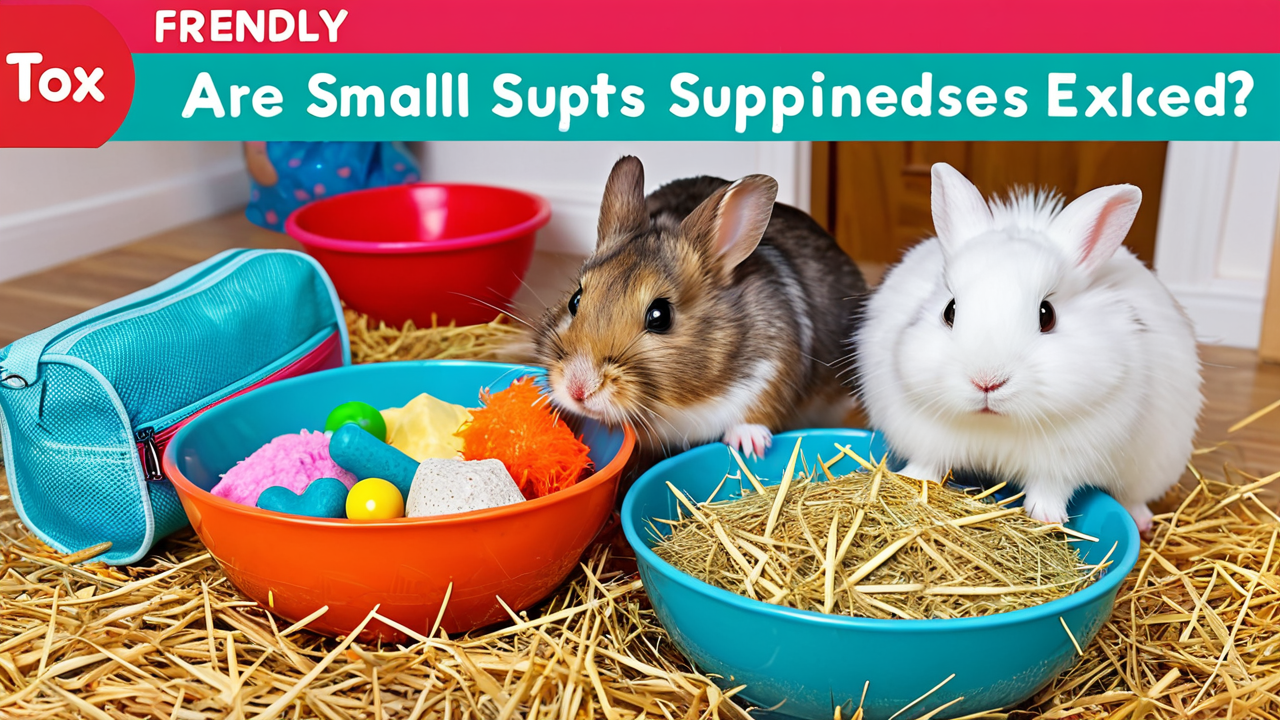
Are Small Animal Supplies Safe? Your Complete Guide to Choosing Wisely
As a loving pet parent to a rabbit, guinea pig, hamster, or other small companion, your top priority is their health and happiness.
A huge part of that care involves the supplies you bring into their environment—their food, bedding, cage, toys, and accessories.
But with so many products on the market, a critical question arises: Are small animal supplies safe?
The short answer is: Most are, but not all. Safety is not a given; it's a standard you must actively look for.
The wrong choice can lead to everything from minor stress to serious, even life-threatening, health issues.
This comprehensive guide will empower you with the knowledge to become an expert in selecting safe supplies, ensuring your furry friend thrives in a secure and enriching home.
Why Safety in Small Animal Supplies Isn't Optional
Small animals like rabbits, guinea pigs, hamsters, chinchillas, and ferrets have unique physiologies and behaviors.
They are often prey animals, sensitive to their environment, and engage in activities like constant chewing (rodents) or meticulous grooming (rabbits).
An unsafe product can cause harm through:
- Ingestion: Chewing on toxic materials, plastics, or unsafe woods.
- Injury: Sharp edges, poorly constructed ramps, or unsafe cage wire spacing.
- Toxicity: From bedding, cleaning products, or low-quality food.
- Stress & Discomfort: From inadequate space, poor ventilation, or stressful accessories.
By understanding the risks, you can transform from a passive buyer into an informed advocate for your pet.
Decoding Safety by Product Category
1. Housing & Cages: The Foundation of Safety
The cage is your pet's fortress. Its safety is paramount.
- Size & Space: The biggest safety issue is a cage that's too small. Inadequate space leads to stress, obesity, boredom, and aggression. Vets recommend following the absolute minimum guidelines, but always aiming for larger:
- Rabbits & Guinea Pigs: These are not cage animals but require a large, pen-style enclosure. The Humane Society recommends a minimum of 8 square feet for a guinea pig and even more for a rabbit, with ample daily exercise time outside the pen.
- Hamsters: Dwarf hamsters need at least 450 square inches of unbroken floor space, while Syrian hamsters require 600+ square inches. Deep bedding for burrowing is non-negotiable for their mental health.
- Construction & Materials:
- Bar Spacing: For small rodents like hamsters and mice, spacing must be ¼ inch or less to prevent escapes or fatal head entrapment. For guinea pigs and rabbits, 1 inch is typically safe for adults.
- Flooring: Solid floors are essential. Wire mesh flooring can cause a painful condition called bumblefoot (ulcerative pododermatitis). If the cage has a wire level, it must be fully covered with a solid mat.
- Ventilation: Good airflow prevents ammonia buildup from urine, which can cause respiratory infections.
- Safe Materials: Powder-coated metal is safe and durable. Avoid cages where your pet can chew on plastic edges that may contain harmful chemicals.
Top Pick for Guinea Pig Housing:
A Midwest-style cage or a C&C (Cubes & Coroplast) cage you configure yourself is often the safest and most spacious option. These provide the necessary room for running and are made from safe, non-toxic materials.
2. Bedding & Litter: What's Beneath Their Paws
Your pet has constant, intimate contact with its bedding. It's used for comfort, burrowing, and absorbing waste.
- Avoid Cedar and Pine Shavings (Unless Kiln-Dried): Traditional cedar and pine shavings release phenols, aromatic oils that are highly irritating to a small animal's sensitive respiratory system and liver. Kiln-dried pine, where the process removes most of the phenols, is generally considered safe by many vets, but if in doubt, choose an alternative.
- Safe Bedding Choices:
- Paper-Based Bedding: Recycled paper products (like Carefresh) are highly absorbent, dust-controlled, and safe for burrowing.
- Aspen Shavings: A safe wood-shaving alternative, as it does not contain harmful phenols.
- Hemp or Flax Bedding: Natural, highly absorbent, and low-dust options.
- Fleece Liners: Popular for rabbits and guinea pigs. They are reusable, soft, and eliminate dust. Crucially, they require a highly absorbent layer (like u-haul pads or towels) underneath and must be changed/spot-cleaned daily to prevent moisture and bacteria buildup.
- Dust is the Enemy: Always choose low-dust or dust-free bedding. Inhaled dust particles are a primary cause of upper respiratory infections (URI) in small pets.
3. Nutrition: The Cornerstone of Health
Unsafe food is a slow-acting poison. A proper diet prevents dental disease, digestive stasis, obesity, and vitamin deficiencies.
- The Hay Rule: For rabbits and guinea pigs, unlimited, high-quality grass hay (Timothy, Orchard, Meadow) should be 80-90% of their diet. It ensures proper gut motility and wears down constantly growing teeth. Hay should be fresh, sweet-smelling, and free from mold or dust.
- Pellets: Quality Over Quantity:
- Look for pellets that are high-fiber (18-25% crude fiber), timothy hay-based (for adult rabbits and guinea pigs), and uniform in color (no colorful pieces, seeds, or dried fruit mixes, which are sugary and unhealthy).
- Limit pellets. For an adult rabbit or guinea pig, 1/8 to 1/4 cup per day is typically sufficient. Overfeeding pellets leads to obesity and discourages crucial hay consumption.
- Fresh Vegetables: Provide a daily variety of leafy greens (romaine, cilantro, kale in moderation). Introduce new veggies slowly to avoid digestive upset.
- Species-Specific Needs:
- Guinea Pigs: They cannot synthesize Vitamin C. You must provide it daily through fresh veggies (bell peppers, kale) or a stable, formulated guinea pig pellet that includes it. Do not give rabbit food to guinea pigs.
- Hamsters & Rodents: A high-quality lab block or seed mix formulated for their specific species provides balanced nutrition. Scatter feeding encourages natural foraging behavior.
Top Pick for Rabbit & Guinea Pig Food:
Choose a plain, green, timothy-based pellet from a reputable brand like Oxbow or Small Pet Select. Avoid any mixes with colorful bits, corn, or nuts.
4. Toys & Accessories: Enrichment Without Risk
Toys prevent boredom and promote natural behaviors, but they must be chew-safe.
- Chewing Materials: Only provide items made from:
- Untreated, pesticide-free hardwoods: Apple, willow, pear, aspen.
- Cardboard (with non-toxic glue): Paper towel rolls, plain boxes.
- Seagrass, wicker, or loofah.
- Avoid:
- Soft plastics: These can be chewed into sharp shards and ingested, causing intestinal blockages.
- Painted or varnished wood: The paints and finishes may contain lead or other toxins.
- Cotton or "fluffy" bedding materials: These are not safe for nesting, as strands can wrap around limbs (causing loss of circulation) or be ingested, leading to fatal blockages.
- Exercise Wheels & Balls:
- Wheels must be solid-surfaced (no rungs or wire mesh) and large enough that your pet's back does not bend while running. For a Syrian hamster, a 10-12 inch wheel is essential.
- Exercise balls are controversial. They can cause stress, overheating, toe injuries, and lack proper ventilation. A securely penned, ball-free exercise area is a much safer alternative.
Top Pick for Hamster Accessories:
A large, silent spinner wheel (like the 12" Niteangel wheel) and a variety of untreated wooden chews and tunnels provide safe, enriching activity.
5. Grooming & Cleaning Products
- Shampoos: Most small animals should never be bathed in water unless medically directed (exceptions: some chinchilla dust baths). It strips essential oils and can cause shock. For spot cleaning, use a damp cloth. If a bath is absolutely necessary, use only a shampoo specifically formulated for that species.
- Cage Cleaners: Never use household cleaners like bleach, ammonia, or multi-surface sprays near your pet's habitat. Residual fumes are toxic.
- Safe cleaning solution: A 50/50 mix of white vinegar and water is an effective, non-toxic disinfectant. Rinse thoroughly with water afterward. Commercial pet-safe enzymatic cleaners are also excellent for eliminating odors.
Your Actionable Safety Checklist
Before you buy any product, ask these questions:
- Is it the right size for my specific species and breed?
- What is it made of? Can my pet safely ingest this material if they chew it?
- Is it free from toxic chemicals, paints, or finishes?
- Is it well-constructed? Are there sharp edges, small parts that could break off, or gaps that could trap a limb or head?
- Does it promote natural behavior (foraging, burrowing, chewing, hiding) without forcing it?
- What do trusted sources say? Have I checked reviews from other experienced owners or recommendations from veterinary sites?
Top Picks: Vetted & Safe Small Animal Supplies
Based on safety, species-appropriate design, and positive community feedback, here are our top recommendations:
- For Guinea Pig Cages: Midwest Guinea Pig Habitat or DIY C&C Cage Grids. These provide the spacious, solid-floor living area guinea pigs desperately need.
- For Rabbit Food: Oxbow Essentials Adult Rabbit Food. A uniform, timothy-based pellet with no unhealthy additives, trusted by veterinarians.
- For Hamster Accessories: Niteangel Super-Silent Hamster Wheel and Small Pet Select Apple Wood Sticks. Promotes exercise and dental health with completely safe materials.
Frequently Asked Questions (FAQ)
Q1: I've been using pine bedding for years with no issues. Is it really that bad?
A: Phenol toxicity can be cumulative and subclinical (not showing obvious symptoms) for a long time, potentially weakening the respiratory system and liver.
While kiln-dried pine is considered safer, switching to a proven safe alternative like aspen or paper bedding eliminates this risk entirely.
Why take the chance?
Q2: My hamster chews constantly on the plastic edges of his cage. What should I do?
A: This is a major red flag.
Ingested plastic can cause lethal internal blockages.
You need to either 1) Cover the plastic edges immediately with safe materials like metal flashing or thick cardboard secured on the outside, or 2) Transition your hamster to a safer, plastic-free enclosure like a large glass tank (with a mesh lid) or a bin cage.
Q3: Are treats from the pet store safe for my rabbit/guinea pig?
A: Be extremely selective.
Avoid any treats with seeds, nuts, dairy, honey, or colorful processed shapes.
The safest "treats" are small pieces of fresh fruit (e.g., 1 blueberry, a thin apple slice) given sparingly, or a sprig of fragrant herb like cilantro or basil.
Q4: How often should I clean the cage to maintain a safe environment?
A: Spot-clean soiled bedding and litter areas daily.
Perform a full cage breakdown, washing with vinegar/water or pet-safe cleaner, weekly.
For smaller cages or habitats with multiple pets, you may need to do full cleanings twice a week.
Ammonia from urine builds up quickly and harms respiratory health.
Q5: Is it safe for my small animals to play outside in the grass?
A: It can be, but only under strict supervision and in a secure, enclosed pen.
Ensure the grass has not been treated with pesticides, herbicides, or chemical fertilizers.
Be aware of predators (including birds) and never leave them unattended.
Provide shade and water.
Q6: My guinea pig's water bottle has green algae inside. Is this dangerous?
A: Yes.
Algae and bacterial biofilm can make your pet sick.
Water bottles and bowls should be rinsed with hot water and scrubbed daily, and thoroughly washed with vinegar weekly.
Use an opaque bottle to slow algae growth, and always check the sipper tube for blockages.
Final Thoughts: Safety is an Ongoing Commitment
Choosing safe small animal supplies isn't a one-time task; it's a fundamental part of responsible pet ownership.
By prioritizing size-appropriate, species-specific, and non-toxic products, you do more than just buy supplies—you build a foundation for a long, vibrant, and healthy life for your beloved companion.
When in doubt, always err on the side of caution and consult with a veterinarian who specializes in exotic pets. Your vigilance and care are the greatest supplies of all.
Related Articles
Small Animal Supplies Essentials: A Complete Overview
Best Small Animal Supplies 2026: Reviews & Top Picks
Related Products
Check out our top-rated Small Animals products
