Are Reptile Supplies Safe? Benefits & Risks Explained
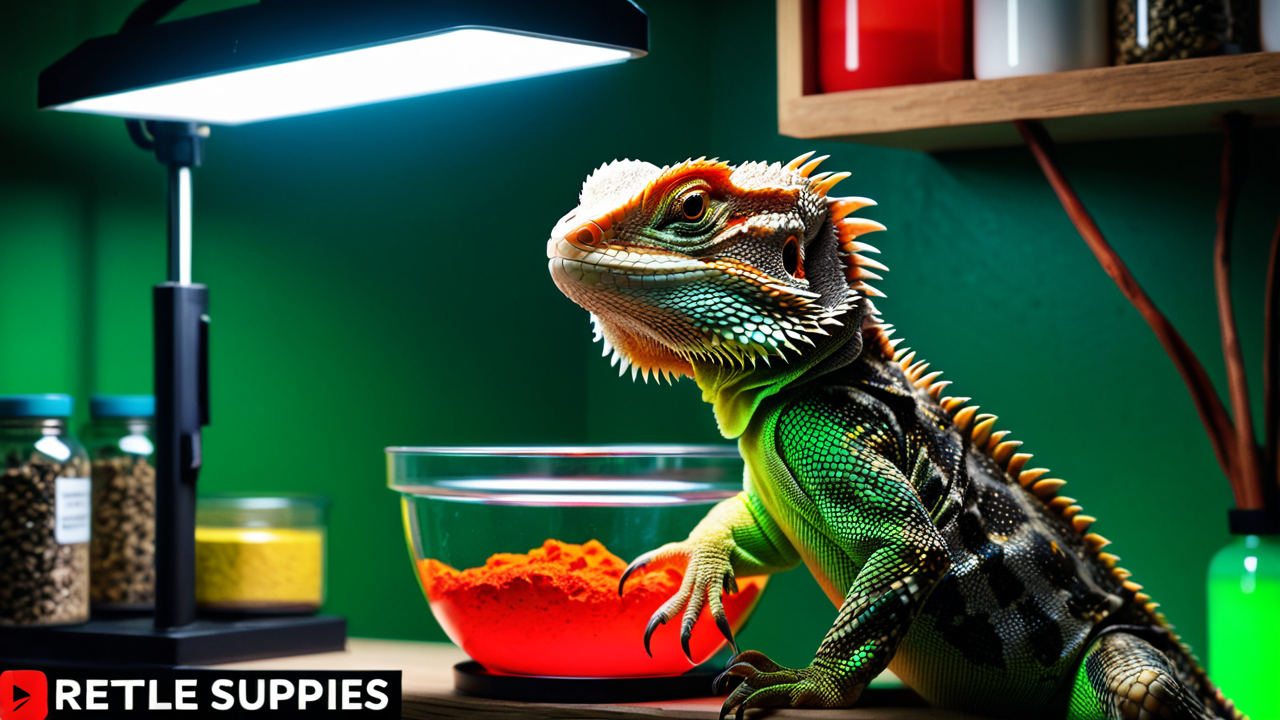
Are Reptile Supplies Safe? A Complete Guide to Responsible Reptile Care
For reptile enthusiasts, creating a thriving habitat is an act of love.
However, the world of reptile supplies—from heat lamps to substrate—can be a minefield of potential hazards if not chosen and used correctly.
The central question, "Are reptile supplies safe?" doesn't have a simple yes or no answer.
Safety is a spectrum determined by product quality, species-specific needs, and, most importantly, informed and vigilant ownership.
This comprehensive guide will navigate the essential categories of reptile care, highlighting potential risks and providing actionable advice to ensure your scaly companion lives in a secure, healthy, and enriching environment.
The well-being of your pet hinges on the safety of their habitat, heating, and food.
Understanding the Core Principles of Reptile Safety
Before diving into specific products, it's crucial to establish the foundational principles of reptile supply safety.
Reptiles are ectotherms, meaning they rely on their environment to regulate critical bodily functions like digestion, immune response, and metabolism.
An unsafe supply doesn't just cause immediate injury; it can lead to slow, debilitating illnesses like Metabolic Bone Disease (MBD), respiratory infections, and thermal burns.
The Three Pillars of Safety are:
- Species-Specificity: There is no "one-size-fits-all." A product perfect for a bearded dragon could be lethal for a crested gecko.
- Quality & Reputation: Investing in reputable brands from specialized retailers is non-negotiable for critical items like heating and lighting.
- Proper Use & Vigilance: Even the safest product can become dangerous if incorrectly installed, monitored, or maintained.
Habitat Safety: Building a Secure Foundation
The enclosure is your reptile's entire world. Its safety encompasses the structure itself, the substrate (bedding), and all internal decor.
Choosing and Setting Up a Secure Enclosure
Whether you choose a glass terrarium, PVC cage, or custom-built wooden vivarium, security is paramount. The enclosure must:
- Be Escape-Proof: Reptiles are surprisingly strong and clever escape artists. Lids must lock securely, and glass panes must be firmly sealed.
- Provide Adequate Ventilation: Poor airflow leads to stagnant air, fostering bacterial and fungal growth, which causes respiratory infections.
- Be Made from Safe Materials: For wooden vivariums, ensure the wood is sealed with a non-toxic, waterproof sealant to prevent mold and absorption of waste. PVC and glass are generally inert and safe.
The Critical Debate: Substrate Safety
Substrate is one of the most debated topics in reptile care, as ingestion risks (impaction) and humidity issues are major concerns.
High-Risk Substrates to Generally Avoid:
- Calcium Sand: Often marketed for desert species, it clumps when wet and can cause severe intestinal blockages if ingested, which is likely as reptiles lick their environment.
- Silica Sand: Fine and dusty, it can cause respiratory issues and impaction.
- Wood Shavings (Cedar/Pine): These softwoods contain aromatic phenols (oils) that are toxic to reptiles, causing respiratory and liver damage.
- Crushed Walnut Shell: Has sharp edges that can cause internal lacerations and impaction.
Safer Substrate Options:
- Paper-Based: Newspaper, paper towels, or butcher paper. Ultra-safe, sterile, and highly recommended for quarantine enclosures, sick animals, or hatchlings. It's not aesthetically pleasing but is the safest choice.
- Tile: Slate or ceramic tile is easy to clean, helps file down nails, and poses zero impaction risk.
- Specialized Mixes: For tropical species, a mix of organic, fertilizer-free topsoil, coconut coir, and sphagnum moss can be excellent when maintained properly.
- Prepared Desert Substrates: Washed playsand mixed with organic soil can work for species like bearded dragons if feeding is done on a clean dish to minimize ingestion.
Actionable Advice: Always research your specific species. A leopard gecko does best on tile or paper, while a ball python may thrive on coconut husk. When in doubt, start with paper towel to monitor a new pet's health.
Terrarium Decor: Enrichment Without Endangerment
Climbing branches, hides, and plants make a habitat enriching. Safety is key.
- Natural vs. Artificial Branches: If collecting from outdoors, use hardwoods (oak, maple). Bake them at 250°F for 45-60 minutes to kill pests and pathogens. Avoid softwoods. Sand down any sharp points.
- Commercial Hides & Decor: Ensure all plastic, resin, or ceramic decor has no sharp edges or small holes where a reptile could get stuck. It should be easy to clean.
- Live vs. Fake Plants: Live plants must be non-toxic and free of pesticides/fertilizers. Spider plants and bromeliads are common safe options. Artificial plants are safer for beginners—ensure they are made for reptile use and not easily torn apart and ingested.
Heating & Lighting: The Non-Negotiables of Physiological Safety
This is the area where unsafe practices cause the most suffering. Improper heating and lighting lead to metabolic bone disease, a painful and fatal condition.
Reptile Heat Lamp Safety: Avoiding Burns and Fire Hazards
Heat lamps are essential for creating a thermal gradient (a warm side and a cool side). The risks are thermal burns and electrical fires.
1. The Fixture & Bulb Combo:
- Use a Ceramic Socket Lamp Fixture: Plastic dome fixtures can melt under the high heat of ceramic heat emitters or high-wattage bulbs.
- Match Wattage to Fixture Rating: Never exceed the wattage listed on the fixture.
- Secure the Fixture: Use the included clamp or a specialized lamp stand. Never let it rest directly on a mesh screen where it could fall or overheat.
2. Bulb Types and Safe Distances:
- Basking Bulbs: Provide light and heat. Must be paired with a separate UVB source. The basking spot temperature must be measured with a digital thermometer or temperature gun to ensure it's species-appropriate. The bulb must be placed at a distance where the reptile cannot make contact with it.
- Ceramic Heat Emitters (CHEs): Emit no light, perfect for 24-hour heat. They get extremely hot; a protective guard cage around the emitter is highly recommended to prevent direct contact burns.
- Under-Tank Heaters (UTH): Must be regulated by a thermostat. Place it on the outside bottom of the glass, under the substrate. Without a thermostat, it can overheat and cause severe ventral burns.
3. The Golden Rule: Thermostats, Not Dimmers
A high-quality on/off or pulse proportional thermostat is the most important safety device you can buy.
It plugs into the wall, and the heat source plugs into it.
A probe inside the habitat regulates the temperature, cutting power if it gets too hot.
This prevents burns and fires.
Vets recommend thermostats as mandatory for all primary heat sources.
The Lifesaving Role of UVB Lighting
UVB light allows reptiles to synthesize vitamin D3, which is essential for calcium absorption. Without it, they develop MBD.
- Linear Fluorescent Tubes Over Coil Bulbs: Linear UVB tubes (like T5 HO) provide a more even, broader distribution of UVB. Compact coil bulbs often have a limited effective range and can sometimes emit harmful wavelengths if defective.
- Strength Matters: UVB output is rated by percentage (e.g., 5.0, 10.0, 12.0). A 5.0 is for tropical forest species, while a 10.0 or 12.0 is for desert species. Research your pet's Ferguson Zone.
- Placement & Distance: Follow the manufacturer's distance guidelines precisely. UVB does not penetrate glass or plastic. The bulb must be inside the mesh or have no barrier.
- Replacement Schedule: UVB output decays over time. Replace linear tubes every 10-12 months and coil bulbs every 6 months, even if they still emit light.
Nutrition Safety: From Lizard Food to Supplements
What you feed your reptile is as critical as how you house it.
Choosing Safe Lizard Food and Prey
- Gut-Loading: Feed your insects (crickets, roaches, worms) a nutritious diet (commercial gut-load food, veggies) for 24-48 hours before offering them to your reptile. This transfers nutrients.
- Appropriate Size: Prey should be no larger than the space between your reptile's eyes to prevent choking or impaction.
- Source Matters: Purchase feeders from reputable suppliers. Avoid wild-caught insects, which may carry parasites or pesticides.
- Freshness for Herbivores: For iguanas, tortoises, and bearded dragons (omnivores), offer fresh, washed leafy greens and vegetables. Rotate staples like collard, mustard, and dandelion greens. Avoid iceberg lettuce (no nutritional value) and known toxic plants like avocado.
The Critical Role of Supplementation
Even the best diet needs boosting. Dusting prey or salads with supplements is essential.
- Calcium: Should be dusted on almost every feeding for growing juveniles and egg-laying females, and 3-4 times a week for adults. Use calcium without D3 if you have a proper UVB light. Use calcium with D3 if you do not have UVB (not recommended).
- Multivitamin: A reptile-specific multivitamin containing Vitamin A (or beta-carotene) and other trace minerals should be used 1-2 times per week, following label instructions. Over-supplementation can be as harmful as deficiency.
Hydration and Water Safety
- Clean Water Daily: Provide fresh water in a dish that's easy to enter/exit and clean. Scrub bowls weekly to prevent bacterial slime.
- Misting & Humidity: For tropical species, use dechlorinated water or reverse osmosis water in misting systems to prevent mineral buildup on the glass and on the animal's skin. Hygrometers are needed to monitor humidity levels accurately.
Top Picks: Vetted & Safe Reptile Supply Recommendations
Based on safety, reliability, and vet/keeper recommendations, here are top-tier products for core needs.
Heating & Thermostats
- Fluker's Ceramic Heat Emitter: A reliable, long-lasting heat source for 24-hour warmth. Pair with a protective guard cage.
- Zoo Med Repti Basking Spot Lamp: A consistent basking bulb that provides both light and heat for daytime setups.
- BN-LINK Digital Heat Mat Thermostat: An affordable and reliable on/off thermostat essential for regulating under-tank heaters and preventing burns.
UVB Lighting
- Zoo Med T5 HO ReptiSun 10.0 UVB Kit: For desert species (bearded dragons, uromastyx). The T5 HO provides strong, effective UVB at greater distances.
- Arcadia ShadeDweller ProT5 Kit: An excellent choice for crested geckos, leopard geckos, and other reptiles with lower UVB requirements (Ferguson Zone 1-2).
Habitat & Feeding Essentials
- Zoo Med ReptiRock Food Dish: A sturdy, natural-looking dish with low, easy-access sides for food or water, preventing tipping.
- Exo Terra Reptile Cave: A smooth, resin hide that provides essential security and is easy to clean, with no sharp edges.
Remember: Always verify product specifications against your specific reptile's needs and enclosure size.
FAQ: Your Reptile Supply Safety Questions Answered
Q1: I see beautiful "reptile carpet" at the store. Is it safe?
A: While popular, reptile carpet has significant drawbacks. It can snag claws and teeth, and more importantly, it traps bacteria and waste within its fibers, even after washing. It can become unsanitary quickly. Paper towel, tile, or appropriate loose substrates are generally safer and more hygienic choices.
Q2: Can I use a regular household light bulb for heat?
A: It's not recommended. Household bulbs are not designed for the humidity and conditions of a terrarium and may shatter. More importantly, they do not emit the appropriate spectrum or intensity of heat that a reptile-specific basking bulb provides. Always use products designed for the purpose.
Q3: How often should I completely clean my reptile's terrarium?
A: Perform a spot-clean (removing waste, soiled substrate) daily. A full breakdown and deep clean should be done every 4-6 weeks. Use a reptile-safe disinfectant (like diluted chlorhexidine or F10SC veterinary disinfectant), rinse thoroughly, and dry completely before reassembling. This prevents the buildup of harmful bacteria and parasites.
Q4: My reptile hasn't eaten in a week. Could it be the food or supplies?
A: Possibly. First, check your husbandry: Are temperatures (basking and cool side) and UVB lighting correct with a reliable gauge? Is the animal stressed due to lack of hides or excessive handling? If husbandry is perfect, the issue could be illness. A reptile refusing food for an extended period requires a visit to an exotic veterinarian. Never force-feed without veterinary instruction.
Q5: Are essential oil diffusers or air fresheners safe in a room with a reptile?
A: No. You should avoid them. Reptiles have highly sensitive respiratory systems. Volatile organic compounds (VOCs), aerosols, and essential oils can be toxic and cause severe respiratory distress. The safest air for your reptile is clean, ventilated, and free of scented products.
Q6: Is it safe to handle my reptile right after it's been in its habitat?
A: Always wash your hands thoroughly with soap and water both before and after handling your reptile or anything in its enclosure. This protects you from potential salmonella (which many reptiles carry naturally) and protects your reptile from any lotions, oils, or chemicals on your hands.
Final Safety Checklist for Every Reptile Owner
- Research is Done: I have researched the specific temperature, humidity, UVB, and dietary needs of my species.
- Thermostats in Use: All heat sources are connected to a functioning thermostat.
- UVB is Current: My UVB bulb is the correct type and has been replaced within the last 12 months.
- Gauges are Digital: I use digital thermometers/hygrometers, not inaccurate analog dials.
- No Ingestion Risks: My substrate is appropriate, and feeder insects are the correct size.
- Enrichment is Secure: All decor is stable, without sharp edges, and cannot trap my pet.
- Vet is Identified: I have located a qualified exotic veterinarian before an emergency arises.
The safety of reptile supplies is ultimately in your hands.
By choosing high-quality, species-appropriate products and employing them with knowledge and care, you transform a simple enclosure into a sanctuary.
Your vigilance is the key to unlocking a long, healthy, and vibrant life for your extraordinary pet.