Dog Health Products vs Alternatives: Which is Better?
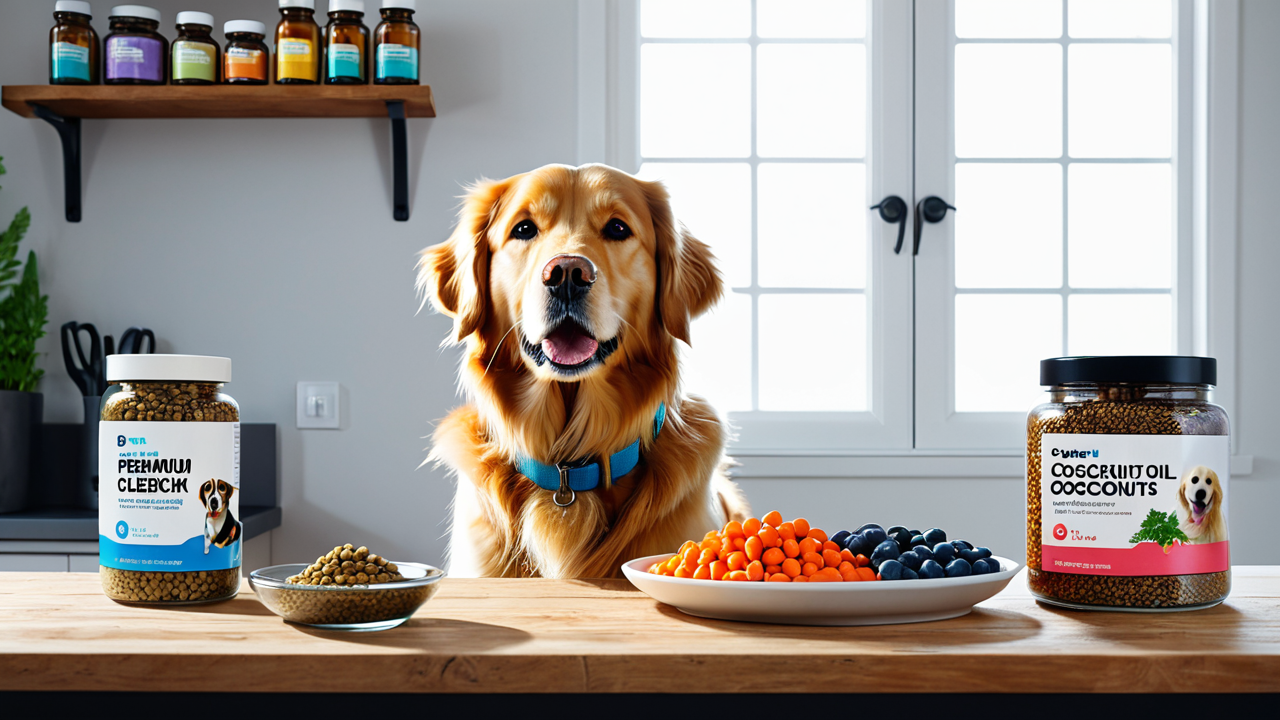
Dog Health Products vs. Alternatives: A Veterinarian's Guide to Smart Choices
As a loving dog owner, you’re faced with a dizzying array of choices for your pet’s health.
Walk down any pet supply aisle or browse an online store, and you’ll see countless products promising to boost vitality, prevent parasites, and ensure a glossy coat.
But what about the alternatives?
From homemade flea sprays to natural joint remedies, the world of pet care is full of options.
How do you know what’s safe, effective, and truly best for your dog’s unique needs?
This comprehensive guide will cut through the noise.
We’ll compare mainstream dog health products with common alternatives in three critical areas: supplements, flea control, and grooming.
Our goal isn’t to push one over the other, but to provide you with the evidence-based, actionable information you need to make confident, informed decisions for your furry family member’s well-being.
Understanding the Core Philosophy: Science vs. Nature?
The debate often gets framed as "commercial products vs. natural alternatives," but this is an oversimplification. The best approach is integrative, considering:
- Efficacy: Does it actually work?
- Safety: Is it proven non-toxic and appropriate for your dog’s age, breed, and health status?
- Consistency: Can you deliver the correct dose every time?
- Convenience: Is it a sustainable part of your routine?
Let’s dive into the key categories.
1. Joint Health: Supplements vs. Natural Support
Joint issues like arthritis are common in dogs, especially as they age or in large breeds. The market is flooded with solutions, but they are not created equal.
Commercial Dog Joint Supplements
These are formulated with specific, researched ingredients at standardized doses.
- Common Key Ingredients:
- Glucosamine & Chondroitin: Building blocks for cartilage. Proven in studies to reduce inflammation and improve mobility.
- MSM (Methylsulfonylmethane): An organic sulfur compound with anti-inflammatory and pain-relieving properties.
- Omega-3 Fatty Acids (from fish oil): Powerful anti-inflammatories. EPA and DHA are crucial.
- Green-Lipped Mussel: A natural source of glycosaminoglycans, omega-3s, and other nutrients that support joint function.
- Pros:
- Standardized Potency: You know exactly how much of each active ingredient your dog is getting.
- Veterinarian-Formulated: Many top brands are developed with veterinary input and backed by clinical trials.
- Palatable: Often come in easy-to-administer chews or flavored liquids.
- Comprehensive: Combine multiple beneficial ingredients in one product.
- Cons:
- Cost: High-quality supplements can be an ongoing expense.
- Quality Variance: Not all brands are reputable; some contain fillers or insufficient active ingredients.
Natural & Lifestyle Alternatives
- Dietary Additions: Adding fresh, human-grade foods like sardines (for omega-3s), turmeric (with a pinch of black pepper for absorption), or bone broth (for collagen and minerals).
- Weight Management: The single most effective "alternative" is maintaining a lean body weight. Less stress on joints equals less pain.
- Physical Therapy & Low-Impact Exercise: Regular, controlled exercise like swimming or leash walks keeps joints mobile without jarring impact.
- Comfort Modifications: Orthopedic beds, ramps instead of stairs, and non-slip flooring.
Head-to-Head Comparison: Joint Care
| Aspect | Commercial Joint Supplements | Natural/Lifestyle Alternatives |
|---|---|---|
| Primary Action | Deliver concentrated, specific compounds to rebuild cartilage and reduce inflammation. | Support overall health, reduce stress on joints, and provide nutrients through whole foods. |
| Efficacy Evidence | Strong for core ingredients (Glucosamine, Omega-3s) in peer-reviewed veterinary studies. | Anecdotal for specific foods; strong scientific evidence for weight management and physical therapy. |
| Dosing Consistency | High. Precise and consistent with each dose. | Variable. Hard to measure exact nutrient amounts in homemade additions. |
| Best For | Dogs with diagnosed joint issues, early intervention in predisposed breeds, senior dogs. | Preventative care, complementary support alongside supplements, weight management. |
| Veterinarian Input | Crucial. A vet should recommend type and dosage based on your dog's needs. | Recommended. Discuss dietary additions to ensure they are safe and balanced. |
Actionable Advice: For a dog showing signs of stiffness or with a high risk of joint disease, a high-quality commercial supplement is often the most reliable, direct intervention. Use natural alternatives and lifestyle changes as powerful complementary support. Never replace prescribed medications with supplements or alternatives without consulting your vet.
2. Gut Health: Probiotics vs. Natural Sources
A healthy gut is linked to a strong immune system, good digestion, and even better behavior. Supporting your dog’s microbiome is a key part of holistic health.
Commercial Dog Probiotics
These are supplements containing specific strains of beneficial bacteria.
- Common Key Strains: Lactobacillus, Bifidobacterium, Enterococcus faecium.
- Pros:
- Strain-Specific: Formulated with strains known to be beneficial and survivable in the canine GI tract.
- High CFU Count: Guarantees a high number of Colony Forming Units (live bacteria).
- Targeted Formulas: Some are designed for specific issues like stress-induced diarrhea or antibiotic recovery.
- Shelf-Stable: Properly manufactured probiotics remain potent until expiration.
- Cons:
- Viability: Some products may not contain live cultures by the time you use them. Brand reputation matters.
- Cost: Another recurring cost.
Natural Dietary Sources
- Fermented Foods: Plain, unsweetened kefir or yogurt (check for lactose tolerance), fermented vegetables like sauerkraut (in tiny amounts, low sodium).
- Prebiotic Foods: These feed the good bacteria already in the gut. Examples include pumpkin, sweet potato, bananas, and chicory root.
- A Balanced, High-Quality Diet: The foundation of gut health. Look for diets with whole-food ingredients and minimal fillers.
Head-to-Head Comparison: Gut Health
| Aspect | Commercial Probiotics | Natural Dietary Sources |
|---|---|---|
| Primary Action | Introduce a concentrated, specific dose of live beneficial bacteria. | Provide a variety of nutrients, fibers, and natural cultures that support the microbiome. |
| Efficacy Evidence | Strong for managing acute diarrhea and antibiotic-associated issues. Growing evidence for overall immune support. | Anecdotal for specific foods; strong for high-fiber/prebiotic diets in promoting regular digestion. |
| Dosing Consistency | High. Measured CFU count per serving. | Low. Bacterial and nutrient content in food varies widely. |
| Best For | Acute digestive upset, during/after antibiotics, travel stress, dogs with chronic GI issues. | Daily maintenance, dogs with no specific gut issues, as part of a wholesome diet. |
| Veterinarian Input | Recommended, especially for choosing a strain for a medical purpose. | Recommended to ensure foods are safe (e.g., no toxic ingredients, appropriate serving size). |
Actionable Advice: Keep a high-quality commercial probiotic on hand for "gut emergencies" like sudden diarrhea or antibiotic courses. For daily maintenance, incorporating small amounts of prebiotic and probiotic-rich whole foods into a balanced diet is excellent. Always introduce new foods gradually to avoid stomach upset.
3. Parasite Prevention: Flea & Tick Products vs. Natural Deterrents
This is arguably the most critical comparison, as parasites transmit serious diseases. The stakes for efficacy are very high.
Conventional Flea Treatment for Dogs
This includes topical "spot-ons," oral chews/tablets, and prescription collars.
- Common Key Ingredients: Isoxazolines (afoxolaner, fluralaner), fipronil, imidacloprid, spinosad.
- Pros:
- High Efficacy: Most are 90-100% effective at killing and preventing fleas and ticks. Many are fast-acting.
- Convenience: Monthly or longer-lasting protection with one application.
- Broad-Spectrum Protection: Many also prevent heartworm, mites, or other parasites.
- Veterinarian-Oversight: Prescription products involve a vet-client-patient relationship, ensuring proper use.
- Cons:
- Potential for Side Effects: Though rare, some dogs can have reactions. Isoxazolines can cause neurologic reactions in dogs with pre-existing conditions.
- Environmental Concerns: Some chemicals can affect aquatic life.
- Cost: Can be expensive, especially for large dogs.
Natural Deterrents & Alternatives
- Essential Oil Sprays: Blends using cedarwood, lavender, citronella, or lemongrass oils.
- Diatomaceous Earth (Food Grade): A powder that can be dusted on the dog's coat (avoiding face) and bedding. It works by physically damaging the exoskeleton of insects.
- Frequent Grooming & Combing: Using a fine-toothed flea comb daily can physically remove fleas and alert you to an infestation early.
- Environmental Control: Regular vacuuming, washing bedding in hot water, and treating the yard with nematodes (benicial worms that eat flea larvae).
Head-to-Head Comparison: Flea & Tick Control
| Aspect | Conventional Flea/Tick Products | Natural Deterrents |
|---|---|---|
| Primary Action | Kill parasites on contact or systemically after they bite (depending on product). | Repel parasites or create an inhospitable environment; kill through physical means. |
| Efficacy Evidence | Extremely strong, proven in controlled laboratory and field studies. | Limited to weak. May repel some pests but do not reliably kill or prevent disease transmission. |
| Speed & Completeness | Fast and complete kill. Breaks the life cycle. | Slow, incomplete, and not reliable for killing. |
| Best For | Primary prevention in all dogs, especially in high-risk areas for Lyme disease, heartworm, etc. | Complementary use only in low-risk areas, or for owners opposed to conventional methods who accept higher risk. |
| Veterinarian Input | Essential. A vet will recommend the safest, most effective product for your region and dog. | Critical. Many essential oils are toxic to dogs (e.g., tea tree, pennyroyal). Never use without expert guidance. |
Actionable Advice: If you live in an area with ticks or heartworm, a veterinarian-recommended conventional preventative is non-negotiable for protecting your dog from life-threatening diseases. Natural methods can be used in addition to (not instead of) these products for extra comfort and environmental control, but their standalone efficacy is not trustworthy for prevention.
Top Picks: Veterinarian-Recommended Foundations for Health
Based on efficacy, safety, and reputation, here are foundational products in our key categories. Always consult your vet before starting any new product.
For Joint Support:
- Cosequin Maximum Strength A leading brand with a long history of research, containing glucosamine, chondroitin, and MSM. It’s a trusted choice for dogs of all sizes.
- Dasuquin with MSM Often considered the top-tier joint supplement, it includes avocado/soybean unsaponifiables (ASU) for added cartilage protection.
For Gut Health:
- Purina Pro Plan Veterinary Diets FortiFlora A probiotic supplement with a guaranteed live (viable) strain of Enterococcus faecium proven to promote intestinal health and balance.
- Nom Nom Turkey Fare While a full fresh-food diet, it’s an example of a balanced meal that naturally supports gut health with high-quality, digestible ingredients and fiber.
For Parasite Prevention:
- Simparica TRIO A monthly chew that protects against fleas, ticks, heartworm, roundworms, and hookworms. It exemplifies the convenience and broad-spectrum protection of modern preventatives.
- Bravecto Chew Provides up to 12 weeks of protection against fleas and ticks with a single dose, offering great convenience.
FAQ: Your Dog Health Questions Answered
Q1: Are "natural" alternatives always safer than commercial products?
A: Not necessarily.
"Natural" does not equal safe.
Many plants and essential oils are highly toxic to dogs (e.g., garlic, tea tree oil).
Conversely, commercial products undergo rigorous safety testing for canine use.
The key is to research any product or ingredient, natural or synthetic, with reputable sources or your veterinarian.
Q2: My dog hates pills. How can I give them supplements?
A: Many supplements come in palatable soft chews or liquid forms that can be mixed into food. For powders or pills, try hiding them in a small amount of wet food, plain yogurt, or a pill pocket treat. Consistency is more important than the method.
Q3: Can I use human supplements for my dog?
A: This is not recommended.
Human supplements may contain ingredients or dosages that are inappropriate or even toxic for dogs (like xylitol as a sweetener).
They are also not formulated for canine metabolism.
Always choose products designed specifically for dogs.
Q4: How long does it take to see results from a joint supplement?
A: Unlike pain medications, which work quickly, joint supplements are "nutraceuticals" that help rebuild tissue. It typically takes 4-6 weeks of consistent use to see noticeable improvement in mobility and comfort.
Q5: I use a natural flea collar, and I don't see fleas. Isn't that enough?
A: Not seeing fleas doesn't mean they aren't there, or that ticks aren't attaching.
Many natural collars have repellent properties but lack reliable killing power.
Ticks can transmit diseases in as little as 24-48 hours of attachment, so a product that kills on contact is crucial.
The absence of visible fleas may just mean the infestation is in the early or environmental stage.
Q6: Can diet alone provide enough joint or probiotic support?
A: For general wellness in a healthy dog, a superb, balanced diet is the best foundation.
However, for therapeutic purposes—like managing arthritis or recovering from digestive illness—the concentrated, specific doses found in high-quality supplements are often necessary to achieve a clinical effect.
Think of food as maintenance and supplements as targeted repair.
The Final Verdict: A Balanced, Informed Approach
The choice between dog health products and alternatives isn't binary. The most responsible path is an integrated one, guided by two principles: evidence and your veterinarian's advice.
- For Preventative & Therapeutic Care (Joint/Gut Supplements): High-quality commercial products offer reliability and proven results. You can confidently complement them with whole-food additions and lifestyle changes for a holistic approach.
For Parasite Prevention: This is the area where compromising on proven efficacy carries significant medical risk.
Rely on veterinarian-recommended conventional preventatives as your primary defense.
Use natural methods for complementary environmental control.
3.
Always, Always Consult Your Vet: They know your dog’s health history, local parasite risks, and nutritional needs.
They can help you craft a personalized plan that safely combines the best of both worlds—cutting-edge science and wholesome care.
Your dog’s health is a journey, not a destination.
By being an informed, discerning pet parent who weighs the pros and cons of all options, you are already providing the greatest gift: thoughtful, loving care tailored to ensure a long, happy, and vibrant life together.
Products Mentioned in This Article
