Cat Furniture vs Alternatives: Which is Better?
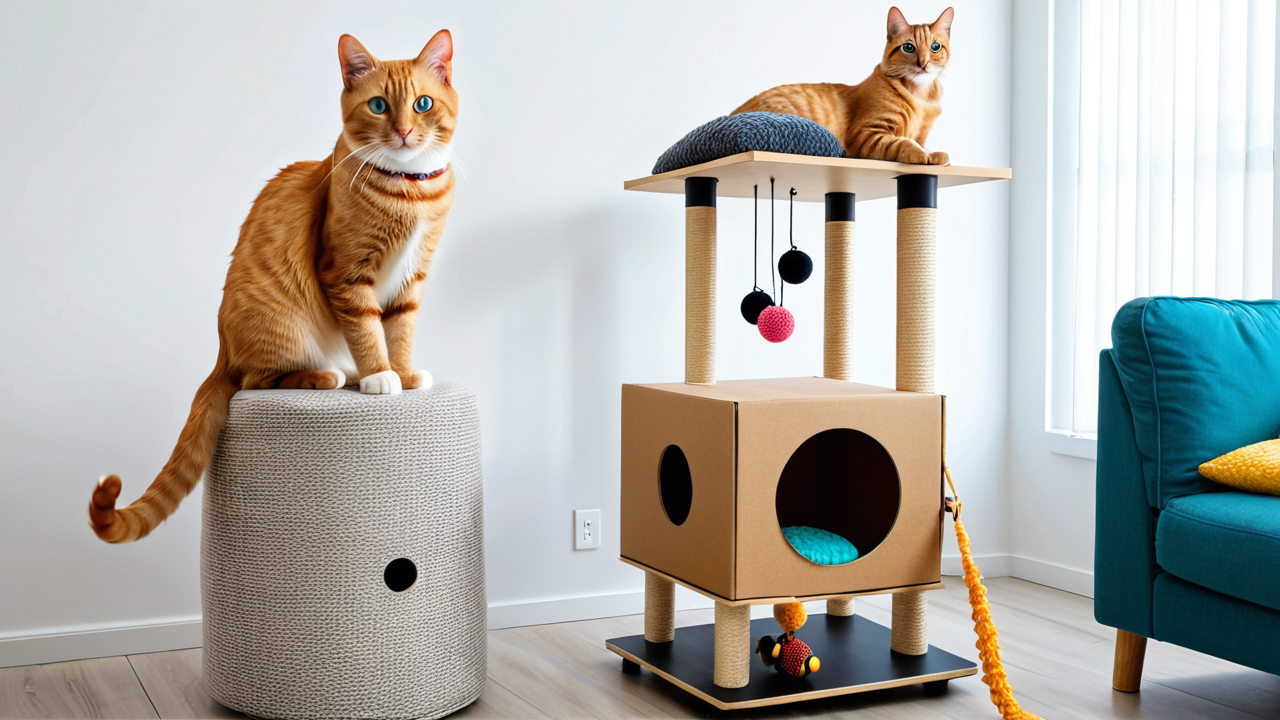
Cat Furniture vs. Alternatives: The Ultimate Guide to a Happy, Healthy Cat
As a loving cat owner, you want to provide the best environment for your feline friend.
You’ve likely stood in a pet store aisle or scrolled through endless online listings, wondering: Is a dedicated cat tree or scratching post truly necessary, or are there suitable alternatives? This is a common and important question.
The right environmental enrichment is not a luxury; it’s a cornerstone of feline health and happiness, preventing behavioral issues and strengthening your bond.
This comprehensive guide will dive deep into the world of cat furniture—scratching posts, cat trees, and beds—and compare them to common household alternatives.
We’ll explore their unique benefits, potential drawbacks, and how to make the best choice for your home, your budget, and, most importantly, your cat’s well-being.
Why Cats Need More Than Just a Food Bowl: Understanding Feline Instincts
To make an informed choice between dedicated furniture and alternatives, we must first understand why cats have these needs. They are not being "destructive"; they are following hardwired instincts.
- Scratching: This is vital for claw health (shedding old sheaths), stretching back and shoulder muscles, and marking territory both visually (the marks) and with scent glands in their paws.
- Climbing & Perching: As both predators and prey, cats feel secure in elevated spaces. A high perch allows them to survey their domain, reducing stress and providing a safe retreat.
- Sleeping & Resting: Cats sleep 12-16 hours a day. A dedicated, comfortable resting space that feels safe is crucial for their physical and mental recovery.
- Play & Hunting: Interactive play satisfies their predatory sequence (stalk, chase, pounce, kill) and is essential for preventing obesity and boredom.
Ignoring these needs can lead to stress, anxiety, and unwanted behaviors like scratching your sofa, urine marking, or aggression.
Head-to-Head: Cat Furniture vs. Common Alternatives
Let’s break down the core categories of cat furniture and see how they stack up against typical household substitutes.
1. Scratching Posts/Pads vs. Your Couch & Carpets
| Feature | Dedicated Scratching Post/Pad | Alternative (Sofa, Carpet, Door Frame) |
|---|---|---|
| Purpose-Built | Yes. Made with ideal materials (sisal, cardboard) that satisfy the need to dig in and shred. | No. Not designed for scratching; damage is incidental and destructive. |
| Cat Appeal | High, if chosen correctly. Vertical posts for stretch-scratching, horizontal pads for clawing. | Unpredictable. Texture may be appealing, but it teaches a bad habit. |
| Home Protection | Excellent. Redirects natural behavior to an appropriate target. | None. Results in costly damage to your belongings. |
| Cost Over Time | One-time investment ($20-$150). | Very high. Cost of replacing furniture, carpets, or repairs. |
| Well-being Impact | Positive. Allows full stretch, proper claw maintenance, and scent marking in an approved zone. | |
| Negative. Leads to owner frustration, potential declawing discussions (an inhumane surgery), or punishment that damages your bond. | ||
Verdict: There is no true substitute for a proper scratching surface. The goal is not to find an alternative to a scratching post, but to find the right post your cat loves more than your sofa. Place it near their favorite nap spot or the furniture they currently target.
2. Cat Trees/Condos vs. Bookshelves & Curtains
| Feature | Dedicated Cat Tree/Condo | Alternative (Bookshelves, Curtains, Countertops) |
|---|---|---|
| Safety & Stability | Engineered for cats. Heavy bases, sturdy platforms, and secure perches prevent tipping. | Hazardous. Bookshelves can tip, items can fall, and curtains can tear down rods, causing injury. |
| Multi-Function Design | Yes. Often combines scratching posts, perches, hideaways, and toys in one unit. | No. These are single-function human items repurposed by your cat, often dangerously. |
| Territory Creation | Excellent. Becomes the cat’s "own" space, reducing conflict in multi-cat homes. | Poor. Invades human spaces, potentially leading to "get off the counter!" conflicts. |
| Home Integration | Can be large, but designed for this purpose. Many modern styles blend with décor. | Disruptive. Cat hair on kitchen counters, knocked-over knick-knacks, damaged blinds. |
| Well-being Impact | Highly Positive. Satisfies climbing/perching instinct safely, provides exercise, and reduces stress. | Mixed/Negative. While the instinct is met, it creates household dangers and tension. |
Verdict: While a cat may climb your drapes, a cat tree is the safe, appropriate, and relationship-preserving solution. It gives them a sanctioned high place without turning your home into an obstacle course.
3. Cat Beds vs. Your Bed, Laundry, & Chairs
| Feature | Dedicated Cat Bed | Alternative (Your Bed, Pile of Laundry, Chair) |
|---|---|---|
| Hygiene & Allergens | Containable. Washable bed confines fur and dander to one manageable item. | Problematic. Fur and dander spread throughout your sleeping and living spaces. |
| Security & Ownership | High. A bed in a quiet corner offers a secure retreat that is always available. | Unreliable. Your bed is only free when you're not in it; a chair may be used by guests. |
| Comfort & Support | Designed for cats. Often bolstered for head-resting, made with cozy, warm materials. | Variable. A lump of laundry is temporary; your mattress may not offer ideal support for a cat. |
| Behavioral Boundaries | Healthy. Allows for separate sleeping spaces, which some cats and owners prefer. | Can Be Problematic. Sharing a bed can disrupt sleep for either party. |
| Well-being Impact | Positive. Provides a consistent, safe haven that reduces anxiety. | Mixed. While bonding is good, lack of a personal space can stress some cats. |
Verdict: Offer both. It’s wonderful to cuddle with your cat on your bed or chair. However, providing a dedicated cat bed ensures they always have a secure, comfortable place of their own, which is critical for their sense of security. This is especially important in multi-pet households or homes with children.
The Role of Diet & Treats in Environmental Enrichment
Environmental enrichment isn't just about physical structures.
Mental stimulation is equally vital, and food/treats are powerful tools. Using puzzles, training, or treat-dispensing toys can turn mealtime into a brain game.
The products you choose should support overall health.
Top Picks: Nutrition & Treats to Complement Your Cat's Environment
While you're optimizing their physical space, ensure you're fueling their adventures with high-quality options. Here are our top recommendations.
- ($14.99, Rating: 4.8/5)
 Temptations Classic Crunchy and Soft Cat Treats, Tasty Chicken Flavor, 30 oz. Tub
$14.99
4.8 out of 5 stars
Popular cat treats - crunchy outside, creamy inside
- Why We Recommend It: The gold standard for training and positive reinforcement. These irresistibly crunchy-on-the-outside, soft-on-the-inside treats are perfect for rewarding your cat for using their new scratching post or cat tree. The large tub is economical for daily use. Use them to "lure and reward" good behavior!
- ($8.99, Rating: 4.7/5)
 Meow Mix Original Choice Dry Cat Food, 16 Pounds
$8.99
4.7 out of 5 stars
Affordable complete nutrition cat food
- Why We Recommend It: A balanced, affordable staple diet for adult cats. With complete and balanced nutrition, it provides the everyday energy your cat needs to climb, play, and explore their furniture. The large bag size offers great value for multi-cat households.
- ($11.59, Rating: 4.4/5)
 Vital Essentials Minnows Freeze-Dried Raw Cat Treats, 1 oz
$11.59
4.4 out of 5 stars
Freeze-dried raw single ingredient treats
- Why We Recommend It: For a high-value, protein-packed treat, these single-ingredient minnows are exceptional. Freeze-dried raw treats are perfect for cats with food sensitivities (grain/gluten-free) and are ideal for bonding or as a "super reward." They mimic a natural prey item, engaging your cat's wild side.
Actionable Advice: Creating the Perfect Feline Environment
Start with the Scratching Post: This is non-negotiable.
Get a tall, sturdy sisal post.
Place it next to the couch arm they currently scratch.
Use catnip and treats (
Praise lavishly when they use it.
2. Add Vertical Space: Even in a small apartment, you can add verticality. A single tall cat tree, wall-mounted shelves, or a window perch can satisfy the climbing instinct. Ensure it’s stable—wobbling will scare them away.
3. Provide Choice in Beds: Offer different types in different locations: a cave bed in a quiet corner, a bolstered bed by a window, a simple pad under your desk. Let your cat choose their favorite.
4.
Integrate Play: Use wand toys to encourage your cat to climb their tree and "hunt" over and around it.
Toss treats or
5. Think in Multiples: In a multi-cat home, the rule is one of each key resource (litter box, feeding station, resting spot) per cat, plus one extra. This prevents competition and stress.
Frequently Asked Questions (FAQ)
Q1: My cat completely ignores the expensive scratching post I bought. What now?
A: First, check the material. Some cats prefer sisal rope, others prefer carpet or cardboard. Try a horizontal scratcher if they scratch rugs. Location is key—move it to a high-traffic area or right next to where they’re scratching inappropriately. Rub catnip on it or dangle a toy over it. Use treats (
Q2: I live in a tiny apartment. Is a cat tree still necessary?
A: Yes, but you can opt for space-saving solutions. Look for "cat condo" styles with a smaller footprint but multiple tiers. Wall-mounted shelves ("cat highways") are excellent for saving floor space. Even a single, sturdy window perch can serve as a vital vertical territory.
Q3: Are there any safe household alternatives I can use?
A: For scratching, you can make a DIY scratcher by tightly wrapping sisal rope around a sturdy table leg (one you don't mind dedicating). For a bed, a simple cardboard box with a soft blanket inside can be a huge hit. However, these should be additions to, not replacements for, purpose-built items, especially for climbing.
Q4: How do I get my cat to sleep in their own bed instead of on mine?
A: Don't forbid them from your bed if they enjoy it—that can harm your bond. Instead, make their bed more appealing. Place it in a warm, draft-free spot. Put an item with your scent (a worn t-shirt) in it. Give them treats or meals in their bed. The goal is to give them a great option, not eliminate their choice.
Q5: Is it worth spending money on cat furniture for an older, less active cat?
A: Absolutely. Senior cats may not climb as high, but they still benefit from easy-access perches to look out windows, supportive beds for achy joints, and gentle scratching pads to maintain claw health. Look for trees with low platforms, ramps, and orthopedic beds.
Q6: My cat is destructive on their furniture. How can I make it last longer?
A: Regular maintenance is key. For sisal posts, use a comb to pull out loose strands. Tighten bolts and screws every few months. Use sisal rope to re-wrap worn areas. Providing multiple scratching surfaces (post, horizontal pad, cardboard) will also distribute the wear.
Final Verdict: Investment in Well-being
The comparison between cat furniture and alternatives isn't really about cost—it's about value.
Household "alternatives" often come with hidden costs: damaged property, veterinary bills from injuries, and the emotional toll of dealing with behavioral problems.
Dedicated cat furniture—a good scratching post, a stable cat tree, and a comfortable bed—is a direct investment in your cat's physical health and mental well-being. It channels their natural instincts into appropriate outlets, protects your home, and fosters a peaceful, happy coexistence.
Pair this optimized environment with a balanced diet (
$11.59
4.4 out of 5 stars
Freeze-dried raw single ingredient treats
Start with one piece, observe your cat’s joy, and build their paradise one perch at a time.