Are Cat Furniture Safe? Benefits & Risks Explained
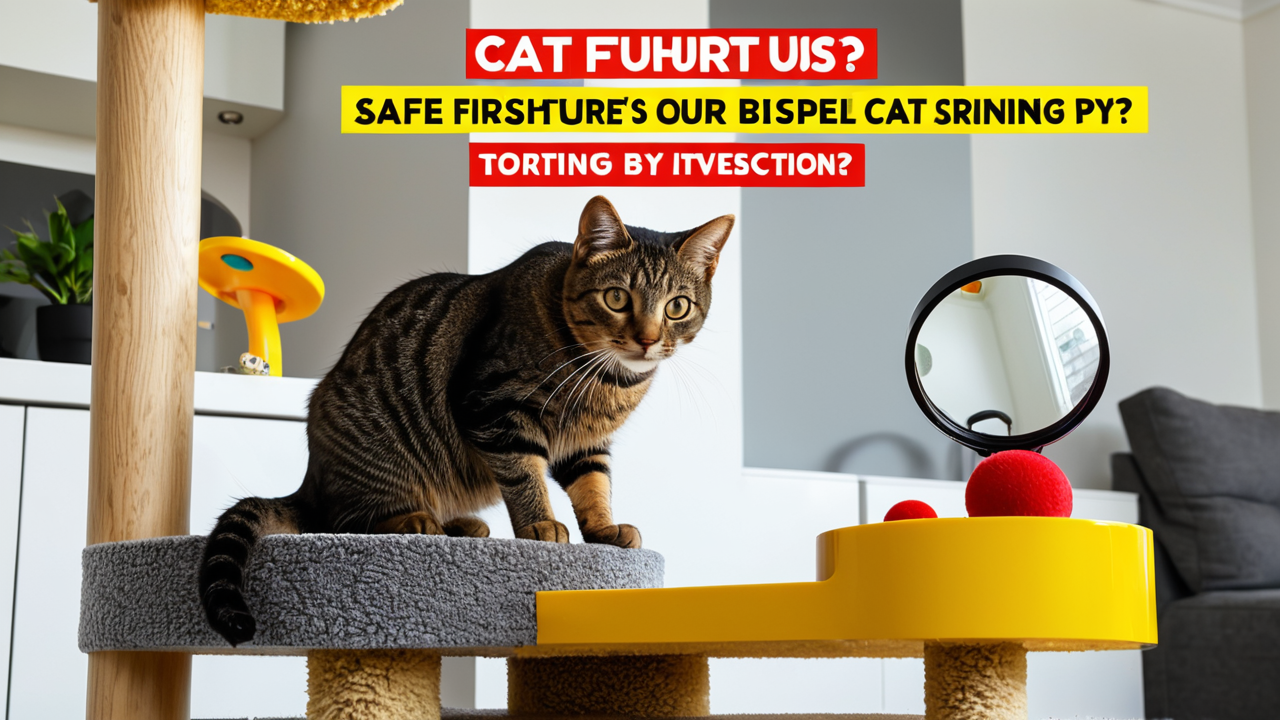
Are Cat Furniture Safe? Your Complete Guide to Choosing Secure & Healthy Play Spaces
As a loving cat owner, you want to provide the best for your feline friend.
Cat furniture—from towering trees to cozy beds and essential scratching posts—is more than just décor; it's a vital component of your cat's physical health and mental well-being.
But a critical question often arises before purchase: Are cat furniture safe?
The short answer is yes, when you choose wisely.
However, not all products are created equal.
Poorly designed or constructed furniture can pose risks like tipping, splintering, toxic materials, or unsafe fabrics.
This comprehensive guide will walk you through every safety consideration, empowering you to select furniture that provides secure, enriching, and durable fun for your cat.
Why Cat Furniture is Essential for Feline Safety and Health
Before diving into safety specifics, it's important to understand why we provide these items. Vets and feline behaviorists consistently recommend cat furniture for several key reasons:
- Scratching is Non-Negotiable: Scratching is a natural, instinctive behavior for cats. It helps them shed the outer sheath of their claws, mark territory visually and with scent glands in their paws, and stretch their muscles. A sturdy scratching post protects your actual furniture and provides this essential outlet.
- Vertical Territory Reduces Stress: Cats feel secure when they can survey their domain from a height. Cat trees and perches offer elevated safe spaces, which are crucial in multi-pet households and can reduce inter-cat conflict and anxiety.
- Exercise and Weight Management: Climbing and jumping on a cat tree encourages physical activity, helping to prevent obesity and related health issues like diabetes and arthritis.
- Mental Stimulation: Enclosed beds, dangling toys, and varied levels keep your cat's mind engaged, preventing boredom and destructive behaviors.
Choosing safe furniture ensures these benefits are realized without unintended harm.
How to Evaluate Cat Furniture Safety: A Step-by-Step Checklist
Use this actionable checklist every time you consider a new piece of cat furniture.
1. Stability and Tipping Hazards
This is the #1 physical safety concern, especially for large cat trees or with multiple, energetic cats.
- Look For: A wide, heavy base. The base should be significantly wider than the tallest point of the tree. For trees over 5 feet, the base should ideally be a solid platform, not just legs.
- Test It: Before letting your cat use it, give the assembled unit a firm push or shake from various angles. It should not wobble dangerously or feel top-heavy. If it does, you can often secure it to a wall (using the provided hardware and into a stud) for absolute safety.
- Weight Consideration: Ensure the product is rated for your cat's weight. If you have multiple cats, consider the combined weight if they might cluster on one level.
2. Materials and Construction Quality
The materials used impact both durability and toxicity.
- Wood and Particle Board: Look for solid wood or high-density, non-toxic particle board. Edges should be sanded smooth to prevent splinters. Avoid furniture with sharp staples or exposed hardware.
- Carpet and Fabric: The covering should be tightly woven and securely fastened. Loose loops or threads can catch claws or be ingested if chewed. Ensure any dyes are non-toxic. Removable, machine-washable covers are a huge plus for hygiene.
- Posts: Scratching posts should be tightly wound with sisal rope or made of solid sisal fabric. Avoid posts covered in loose carpet, which can unravel and be swallowed.
3. Non-Toxic Components
Cats groom themselves constantly and may chew on new items.
- Finishes and Glues: The furniture should use pet-safe, non-toxic stains, paints, and adhesives. Look for products that mention being non-toxic or safe for pets.
- Avoid Treated Woods: Steer clear of furniture made from pressure-treated lumber, which contains chemicals like arsenic and copper.
- Plastic Parts: Any plastic perches, tunnels, or toys should be made from non-toxic, BPA-free plastic.
4. Design and Feature Safety
Thoughtful design prevents accidents.
- Secure Platforms and Perches: All platforms should be firmly attached and large enough for your cat to lie down on comfortably without feeling precarious. Look for raised edges or lips on high perches for added security.
- Entry/Exit Points: Enclosed cubes or condos should have at least two openings to prevent your cat from being cornered by another pet. Openings must be large enough for your cat to pass through easily but not so large that they could get stuck.
- Toy Attachments: Dangling toys should be securely attached with short, durable string that cannot wrap around a neck or limb. Regularly check these for wear and tear.
5. Hygiene and Cleanability
A clean piece of furniture is a safer, healthier one.
- Look For: Removable cushions, machine-washable covers, and surfaces that can be easily wiped down or vacuumed.
- Avoid: Furniture with many hard-to-clean nooks or permanently attached, stained fabrics, which can harbor bacteria, parasites, and odors.
Top Picks: Safe and Satisfying Supplements for Your Cat
While investing in safe furniture, don't forget the other pillars of feline happiness: nutrition and treats.
Using positive reinforcement with high-quality treats is a fantastic way to encourage your cat to use their new furniture.
Here are our top recommendations for keeping your cat healthy and happy.
 Temptations Classic Crunchy and Soft Cat Treats, Tasty Chicken Flavor, 30 oz. Tub
$14.99
4.8 out of 5 stars
Popular cat treats - crunchy outside, creamy inside
$14.99
4.8 out of 5 stars
Popular cat treats - crunchy outside, creamy inside
Price: $14.99 | Rating: 4.8 out of 5 stars
Perfect for training and rewarding your cat for using their new scratching post or tree.
The crunchy outer shell and soft inside are irresistible to most felines.
Use these sparingly as a high-value incentive to create positive associations with their safe new play space.
 Meow Mix Original Choice Dry Cat Food, 16 Pounds
$8.99
4.7 out of 5 stars
Affordable complete nutrition cat food
$8.99
4.7 out of 5 stars
Affordable complete nutrition cat food
Price: $8.99 | Rating: 4.7 out of 5 stars
A balanced, affordable everyday diet that provides the complete nutrition your cat needs to maintain the energy for climbing and playing.
A healthy cat is an active cat, and proper nutrition supports strong muscles and joints for safe use of their furniture.
 Vital Essentials Minnows Freeze-Dried Raw Cat Treats, 1 oz
$11.59
4.4 out of 5 stars
Freeze-dried raw single ingredient treats
$11.59
4.4 out of 5 stars
Freeze-dried raw single ingredient treats
Price: $11.59 | Rating: 4.4 out of 5 stars
For a pure, single-ingredient treat, these freeze-dried minnows are an excellent choice.
High in protein and grain-free, they're a healthy reward.
They’re especially useful for enticing hesitant cats to explore a new cat tree or bed, as their strong scent is very appealing.
Maintaining Safety Over Time: Ongoing Care for Cat Furniture
Safety isn't a one-time check. Regular maintenance is crucial.
- Weekly: Vacuum fur and debris from perches and cubbies. Check the stability of the entire unit, tightening any bolts or screws as needed.
- Monthly: Inspect all surfaces for damage. Look for loose carpet threads, fraying sisal rope, wobbly platforms, or worn-out dangling toys. Replace or repair components immediately.
- As Needed: Wash any removable covers or beds according to instructions. Deep clean non-removable surfaces with a pet-safe enzymatic cleaner to eliminate odors and bacteria.
Special Considerations for Multi-Cat Households, Kittens, and Senior Cats
- Multiple Cats: Choose furniture with multiple escape routes, several perches at different heights, and more than one scratching post. Stability is even more critical—opt for heavier, wall-anchored units.
- Kittens: Ensure spacing between levels is appropriate for small legs. Avoid very high drops. Supervise initial use and check for any tendency to chew on materials. Kittens are especially vulnerable to toxins and ingestible strings.
- Senior Cats: Look for furniture with easy access—ramps, lower platforms, and supportive, padded beds. Ensure perches have high sides for security. Avoid tall, wobbly trees that could cause a fall from arthritis or weakened muscles.
FAQ: Your Cat Furniture Safety Questions Answered
Q1: My cat tree wobbles a bit. Is that unsafe?
A: A slight, stable sway is often normal, especially for tall trees, and can be enjoyable for cats.
However, a pronounced wobble or tip is dangerous.
First, ensure all parts are tightened correctly.
If it remains unstable, secure it to a wall stud using furniture straps or the provided hardware.
If that's not possible, it may be time for a sturdier model.
Q2: Are there any specific materials I should avoid entirely?
A: Yes. Avoid furniture with:
- Loose, plush carpeting that easily sheds and can be ingested.
- Pressure-treated or chemically stained wood.
- Thin particleboard that sags or crumbles.
- Toys attached with long, elastic cords that pose a strangulation risk.
- Plastic that has a strong chemical odor, which may indicate off-gassing.
Q3: How can I encourage my cat to use the safe furniture I bought?
A: Use positive reinforcement!
Place the new furniture in a social, sunny area.
Sprinkle catnip on it, hide treats in cubbies, and use a wand toy to lead them onto platforms.
Verbally praise and reward them with a treat (like our top-pick Temptations) when they scratch or climb on it.
Never force them.
Q4: Is it safe to use second-hand cat furniture?
A: Proceed with extreme caution.
You cannot know the history—it may harbor fleas, mites, or contagious fungi like ringworm.
It may also be structurally unsound or have worn-out, unsafe parts.
If you do get a used item, disinfect it thoroughly with a pet-safe disinfectant, inspect every inch for damage, and reassemble it yourself to ensure stability.
Q5: My cat is chewing the fabric on their bed/post. What should I do?
A: First, redirect the behavior.
Provide appropriate chew toys and consider cat grass.
Ensure they are on a complete diet like Meow Mix Original Choice—sometimes chewing stems from nutritional deficiency or boredom.
If ingestion is a concern, temporarily remove the item and consult your vet.
You may need to choose furniture with tighter-weave, less "chewable" fabrics.
Q6: How often should I replace my cat tree or scratching post?
A: There's no set timeline; it depends on use and quality.
Replace a scratching post when the sisal is fully shredded and no longer provides a satisfying scratch.
Replace a cat tree when it becomes unstable even after tightening, when platforms sag significantly, or when it becomes overly soiled and cannot be cleaned.
Investing in high-quality furniture initially often means a longer, safer lifespan.
Final Thoughts: Safety is an Act of Love
Choosing safe cat furniture is a direct investment in your cat's quality of life.
By prioritizing stability, non-toxic materials, and thoughtful design, you create a sanctuary where your feline companion can express natural behaviors, relax fully, and stay active—all without risk.
Combine this secure environment with high-quality nutrition and treats for a truly holistic approach to your pet's well-being.
Start by auditing your current cat furniture with our checklist, and use our guidelines to confidently select your next piece. Your cat's health, happiness, and safety are worth the careful consideration.