Fish Tank Supplies vs Alternatives: Which is Better?
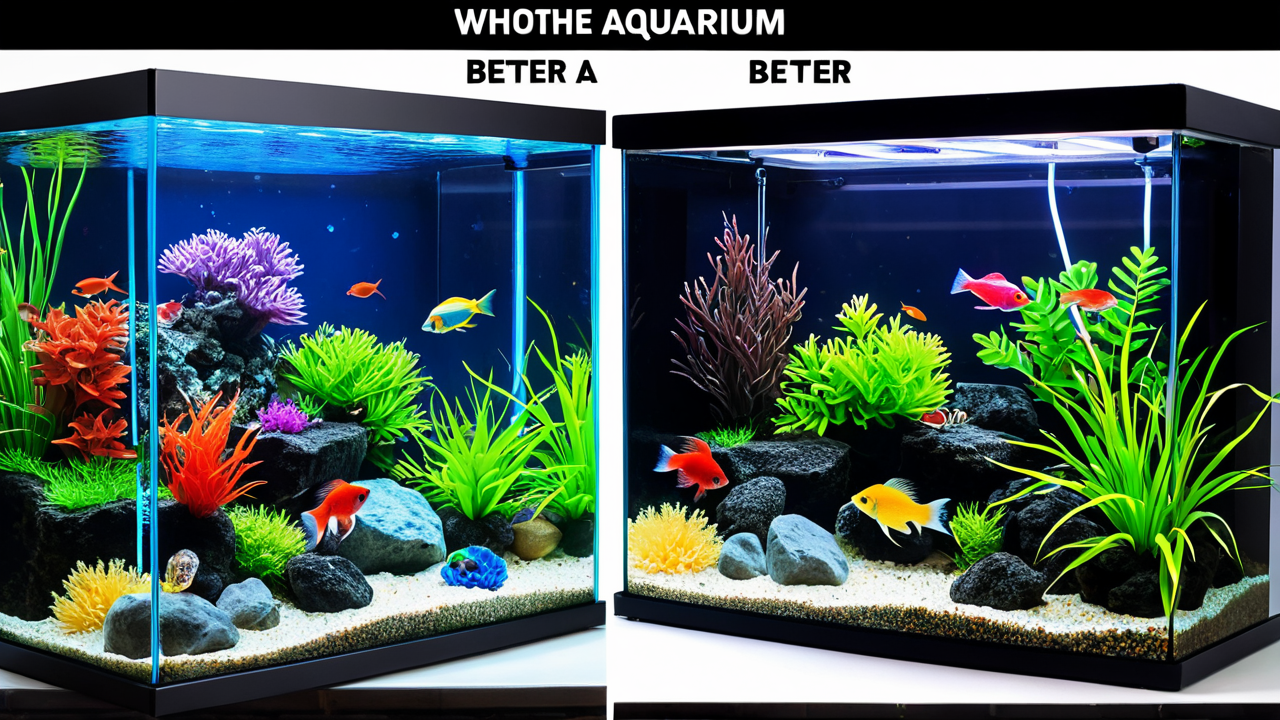
Fish Tank Supplies vs. Alternatives: A Complete Guide to a Healthy Aquarium
For every aquarist, from the beginner with their first betta to the seasoned keeper of a reef tank, a fundamental question arises: should I use dedicated, brand-name fish tank supplies, or are there safe, effective alternatives?
The health of your aquatic ecosystem hinges on the quality of the water, the stability of the environment, and the nutrition of its inhabitants.
While the DIY spirit is admirable, not all swaps are created equal.
This comprehensive guide dives deep into the pros, cons, and critical safety considerations of using standard aquarium products versus common household or generic alternatives.
Our goal is to empower you with the knowledge to make the best—and safest—choices for your finned friends.
Why the Right Supplies Are Non-Negotiable for Fish Health
Fish are incredibly sensitive to their environment.
Unlike mammals, they live, breathe, eat, and excrete in the same body of water.
This makes water quality the single most important factor in their health.
Dedicated aquarium supplies are engineered with this precise biology in mind.
They are formulated to:
- Remove toxins like ammonia and nitrite without harming beneficial bacteria.
- Maintain stable pH and mineral content (GH/KH), preventing osmotic shock.
- Avoid introducing contaminants like perfumes, dyes, or heavy metals.
- Provide species-specific nutrition that supports immune function and coloration.
Using the wrong product can lead to a rapid, often invisible, decline in water quality, resulting in stress, disease, and loss of life. The following sections break down the essential categories.
Head-to-Head: Essential Supplies vs. Common Alternatives
1. The Tank & Habitat
The Dedicated Supply: An Aquarium Tank (glass or acrylic) is designed to withstand constant water pressure, is non-toxic, and often comes with a warranty. Specific shapes (like long vs. tall) are crucial for proper gas exchange and swimming space.
Common Alternatives: Plastic storage bins, food containers, glass vases, or bowls.
The Verdict: Stick with the Dedicated Supply.
- Safety & Stability: Storage bins can leach plasticizers. Vases and bowls are often too small, lack surface area for oxygen exchange, and have curved walls that distort a fish’s view, causing stress. The "betta bowl" is a classic example of an unsuitable habitat.
- Actionable Advice: Always choose a tank sized for the adult size of your fish. A minimum of 5 gallons is recommended for a single betta, and 20+ gallons for most community fish. The tank shape matters—longer tanks provide more swimming room and better oxygenation than tall, narrow ones.
2. Filtration: The Life Support System
The Dedicated Supply: An Aquarium Filter is a non-negotiable piece of equipment. It provides mechanical (traps debris), chemical (removes dissolved wastes), and most importantly, biological filtration. The filter media (sponges, ceramic rings) houses the beneficial bacteria that convert toxic ammonia into less harmful nitrate.
Common Alternatives: Trying to filter water by hand (frequent water changes only), using craft sponge, or omitting a filter entirely.
The Verdict: Absolutely Use a Dedicated Filter.
- Safety & Stability: There is no safe alternative to a cycled filter. Without the established colony of nitrifying bacteria, ammonia from fish waste will quickly reach lethal levels, causing burns, gill damage, and death. This process, known as the "nitrogen cycle," is the cornerstone of aquarium keeping.
- Actionable Advice: Invest in a quality filter rated for your tank size or larger. Never replace all filter media at once; rinse it in removed tank water during a water change to preserve the bacteria. For a reliable and efficient option, consider the AquaClear Power Filter. Its customizable media baskets allow you to tailor the mechanical, chemical, and biological filtration to your tank's exact needs.
3. Water Conditioning & Testing
The Dedicated Supply: Water Conditioners (dechlorinators) instantly neutralize chlorine, chloramine, and heavy metals found in tap water. Liquid Test Kits accurately measure parameters like ammonia, nitrite, nitrate, and pH.
Common Alternatives: Letting tap water "sit out" to evaporate chlorine, using untreated well water, or guessing water parameters.
The Verdict: Use Dedicated Conditioners and Test Kits.
- Safety & Stability: Letting water sit does not remove chloramine, which is used in many municipal water supplies and is highly toxic to fish. Well water can contain harmful gases or extreme mineral content. Guessing parameters is like driving blindfolded.
- Actionable Advice: Always treat new tap water with a conditioner like Seachem Prime, which not only dechlorinates but also detoxifies ammonia and nitrite in emergencies. Test your water weekly with a master test kit like the API Freshwater Master Test Kit. Data is your best tool for prevention.
4. Fish Food & Nutrition
The Dedicated Supply: High-quality commercial Fish Food (flakes, pellets, frozen, freeze-dried) formulated for your specific type of fish (e.g., herbivore cichlid flakes, betta-specific pellets).
Common Alternatives: Feeding human food like bread crumbs, peas, or bits of meat.
The Verdict: Use Dedicated, Species-Specific Fish Food.
- Safety & Stability: Human food lacks the complete vitamins, minerals, and proteins fish require and can foul the water quickly. Some foods, like bread, expand in the gut and can cause blockages.
- Actionable Advice: Choose a staple diet appropriate for your fish. For many tropical community fish, a high-quality micro pellet like Fluval Bug Bites provides excellent nutrition with insect-based protein. Supplement with frozen or live foods (like brine shrimp) for variety. Feed small amounts that can be consumed in under two minutes.
5. Substrate & Decor
The Dedicated Supply: Aquarium Gravel/Sand and Aquarium-Safe Decor (resin, ceramic, specific woods) are designed to be inert and non-toxic in water.
Common Alternatives: Beach sand, garden gravel, painted decorations, or non-aquatic woods.
The Verdict: Be Extremely Cautious with Alternatives.
- Safety & Stability: Beach sand and garden gravel can alter pH/hardness and may contain pollutants or sharp edges. Paint can peel and leach toxins. Non-aquatic woods (like pine) release sap and tannins that can be harmful.
- Actionable Advice: When in doubt, buy aquarium-specific substrates and decor. If using natural materials, research extensively. Smooth, silica-based play sand can be a safe, cost-effective substrate if rinsed thoroughly. Driftwood must be specifically "aquarium driftwood" or be cured/boiled for hours.
6. Cleaning & Maintenance
The Dedicated Supply: Algae Scrapers/Magnetic Cleaners, Aquarium-Safe Siphons/Gravel Vacs, and dedicated Aquarium Buckets (used only for the tank).
Common Alternatives: Kitchen sponges, household cleaners, garden hoses, or buckets used for other chores.
The Verdict: Use Dedicated Cleaning Tools.
- Safety & Stability: Kitchen sponges may have soap or antimicrobial residues. Never, ever use soap or chemical cleaners on anything that goes in your tank; trace amounts can kill fish. A shared bucket may have detergent or contaminant residue.
- Actionable Advice: Keep a set of supplies solely for your aquarium. A simple Python Aquarium Siphon makes water changes easy without needing buckets. For algae, a magnetic glass cleaner is safe and effective.
Top Picks: Recommended Fish Tank Supplies
Based on reliability, safety, and value for maintaining optimal fish health, here are our top recommendations:
- Best All-Around Filter: AquaClear Power Filter. For its versatility, quiet operation, and excellent biological filtration capacity.
- Essential Water Conditioner: Seachem Prime. A concentrated, multi-purpose conditioner that handles chlorine, chloramine, and detoxifies nitrogenous wastes.
- Must-Have Test Kit: API Freshwater Master Test Kit. Provides accurate, liquid-reagent tests for all the critical water parameters. Far more reliable than test strips.
- Quality Staple Food: Fluval Bug Bites. Available in formulas for different fish types, this food uses nutrient-rich insect larvae as a primary protein source.
- Maintenance Game-Changer: Python Aquarium Siphon. Simplifies water changes and gravel cleaning by connecting directly to your faucet.
When Can Alternatives Work? A Safety-First Framework
Some alternatives can be viable if you apply rigorous safety checks:
- Containers: A brand new, food-grade plastic storage bin can work as a temporary hospital or quarantine tank. Ensure it's thoroughly rinsed and never before used for chemicals.
- Decor: Certain clay flower pots (unglazed, terracotta) make excellent caves. You must plug the drainage hole with aquarium silicone and scrub/soak the pot thoroughly.
- Plants: Many common houseplants (like Pothos, Spider Plant, Peace Lily) can have their roots submerged in the aquarium filter or hang into the water, helping to absorb nitrates. Ensure the plant is non-toxic and never treated with pesticides.
The Golden Rule: If you are unsure about an alternative, do not use it. The risk is not worth the potential loss of your aquatic pets.
FAQ: Fish Tank Supplies vs. Alternatives
Q1: Is it okay to use bottled spring water instead of treated tap water?
A: Often, no. Bottled spring water's mineral content (GH/KH) is inconsistent and can be too low to stabilize pH, leading to dangerous swings. It's also costly. Properly dechlorinated tap water is almost always the best and safest choice.
Q2: Can I use a household sponge in my filter?
A: Only if it is a brand new, plain cellulose sponge with no added soap, dyes, or antimicrobial agents. Even then, aquarium filter sponges are designed for optimal porosity and water flow. It's safer and more effective to use media designed for the purpose.
Q3: My fish tank is cloudy. Can I use a household clarifier?
A: Absolutely not. Only use water clarifiers made for aquariums. Household products are not formulated for the delicate balance of an aquarium and will likely harm or kill your fish and filter bacteria.
Q4: Are there any safe "human foods" I can feed my fish?
A: Some can be offered rarely as a treat, but only after research. For example, a blanched, deshelled pea can help with mild constipation in goldfish. However, these should never replace a complete, commercial fish diet.
Q5: I have an old tank. Can I clean it with vinegar?
A: Yes, white vinegar is a great, fish-safe alternative to harsh chemicals for dissolving hard water stains and mineral deposits. Scrub with a vinegar-water solution, then rinse extensively multiple times. Let it air dry. Ensure no vinegar scent remains before refilling.
Q6: Why can't I just do more water changes instead of using a filter?
A: Even multiple daily water changes cannot replicate the constant, biological filtration of a cycled filter. Ammonia builds rapidly between changes, causing chronic stress. A filter provides a stable, permanent home for the beneficial bacteria that keep your water safe 24/7.
Final Thoughts: Prioritize Proven Safety
Building a thriving aquarium is a rewarding journey that rests on a foundation of stability and safety.
While the initial cost of dedicated fish tank supplies may be higher than some alternatives, they are an investment in the long, healthy life of your aquatic pets.
The potential savings from using a household alternative are quickly erased by the cost—emotional and financial—of treating sick fish or replacing lost livestock.
When you choose products designed specifically for aquariums, you are choosing peace of mind.
You are choosing science-backed solutions that manage the invisible chemistry of the water.
Your fish rely on you completely to create and maintain their world.
By providing them with the right tank, a robust filter, clean conditioned water, proper food, and safe surroundings, you give them the best chance to not just survive, but to flourish.
Related Articles
Are Fish Tank Supplies Safe? Benefits & Risks Explained
Best Fish Tank Supplies 2026: Reviews & Top Picks
Dog Health Products vs Alternatives: Which is Better?
Pet Tech Products vs Alternatives: Which is Better?
Related Products
Check out our top-rated Fish & Aquatic products
