Are Fish Tank Supplies Safe? Benefits & Risks Explained
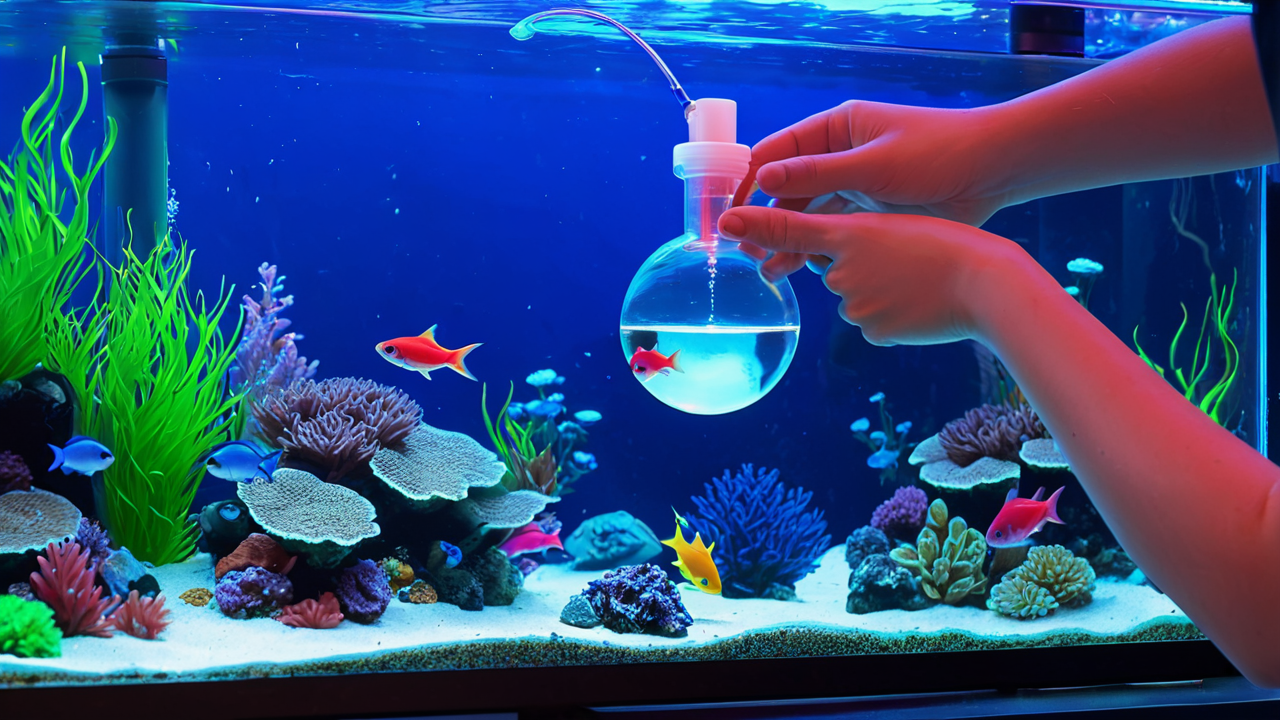
Are Fish Tank Supplies Safe? Your Complete Guide to a Healthy Aquatic Habitat
For every aquarist, from the beginner with their first betta bowl to the seasoned keeper of a reef ecosystem, the well-being of their aquatic pets is paramount.
A critical part of that care hinges on a simple yet profound question: are fish tank supplies safe? The answer is both yes and no.
While the vast majority of commercially available supplies are designed to be safe when used correctly, the health of your fish, invertebrates, and plants depends entirely on your knowledge and diligence.
Safety isn't just about a product being non-toxic; it's about compatibility, proper usage, and understanding the delicate chemistry of your underwater world.
This comprehensive guide will navigate the essential categories of aquarium supplies—from tanks and filters to water conditioners and decor—equipping you with the knowledge to create not just a beautiful tank, but a truly safe and thriving habitat.
Understanding the Pillars of Aquarium Safety
Aquarium safety rests on three interconnected pillars:
- Chemical Safety: Ensuring nothing introduces toxins, alters water parameters dangerously, or harms biological processes.
- Physical Safety: Providing an environment free from sharp edges, escape routes, or crushing hazards.
- Biological Safety: Preventing the introduction of disease and maintaining a stable, healthy nitrogen cycle.
A failure in any one pillar can lead to stress, illness, or loss of life for your aquatic pets.
A Deep Dive into Common Supplies: Safety Evaluated
1. The Aquarium Tank: Your Foundation
The tank itself is your first safety checkpoint.
- Material: Modern glass and acrylic tanks are generally inert and safe. Ensure the silicone sealant is fully cured (non-smelling) before use.
- Location & Stand: Safety extends to your home. Place the tank on a stand rated for its full weight (water weighs ~8.3 lbs per gallon). Keep it away from direct sunlight (to prevent algae and overheating) and from high-traffic areas where it could be bumped.
- Used Tanks: Exercise caution. Never use a tank that previously held chemicals, soap, or detergents, as residues can be lethal. A vinegar-water solution is safe for cleaning; avoid all household cleaners.
2. Filtration: The Life Support System
Filters are mechanically, chemically, and biologically safe—or unsafe—depending on maintenance.
- Intake Hazards: Powerful filters can suck in small fish, shrimp, or fry. Use pre-filter sponges, especially for delicate species like bettas, whose long fins are vulnerable.
- Media Choices: Vets and aquarists recommend changing filter media on a staggered schedule, never all at once, to preserve the essential beneficial bacteria. Be wary of chemical media like carbon removing medications you are actively dosing.
- Flow Rate: An overpowered filter creates stressful, turbulent water for calm-water species. Choose a filter with an adjustable flow or one rated appropriately for your tank's inhabitants.
3. Water Conditioners & Treatments: Handle With Care
These are some of the most crucial safety products.
- Dechlorinators: An absolute non-negotiable. Tap water contains chlorine/chloramines that destroy fish gills and kill beneficial bacteria. A quality water conditioner instantly neutralizes these.
- pH Adjusters & "Quick-Fix" Chemicals: Use extreme caution. Drastic, rapid changes in pH are more dangerous than a stable, non-ideal pH. It's safer to adjust pH slowly using natural methods like driftwood (lowers pH) or crushed coral (raises pH).
- Medications: Always diagnose accurately before treating. Incorrect medication can harm your biological filter and fish. Remove chemical filtration (carbon) during treatment and follow dosage instructions precisely.
4. Substrate & Decor: More Than Just Aesthetics
- Substrate Safety: Rinse all substrates (gravel, sand, soil) thoroughly until water runs clear to avoid cloudy water and dust in fish gills. Ensure gravel is smooth-edged. Some specialty soils can alter pH and hardness—research their effects for your specific fish.
- Decorations: Avoid painted decor where paint can chip or leach. When in doubt, choose natural materials like driftwood (boiled to sterilize and waterlog) or aquarium-safe rocks (test with vinegar; if it fizzes, it may affect hardness). Provide adequate hiding places to reduce fish stress.
5. Fish Food & Feeding Supplies
- Food Quality: High-quality, species-specific foods are safest. Expired or poor-quality food loses nutritional value and can introduce pathogens. Look for whole ingredients.
- Overfeeding: This is the #1 beginner mistake. Uneaten food decays, spiking ammonia and nitrate levels, compromising water quality. Vets recommend feeding only what your fish can consume in 1-2 minutes, once or twice a day.
- Automatic Feeders: Great for vacations, but test them before you leave to ensure they dispense the correct amount and the food doesn't clump.
6. Heating & Lighting
- Heaters: Always use a reliable heater with an external thermostat. A malfunctioning "stuck-on" heater can cook your tank. Place it near water flow for even heat distribution and always unplug it during water changes.
- Lighting: Safety here is about balance. Too much light fuels nuisance algae; too little stunts live plants. Use a timer for a consistent day/night cycle, reducing stress for your fish.
Top Picks: Safe & Reliable Aquarium Supplies
Based on safety, reliability, and widespread recommendation from the aquatic community, here are top-tier choices for core supplies.
For All Aquariums: The Essential Water Conditioner
Seachem Prime is a benchmark for safety.
It not only removes chlorine and chloramines but also detoxifies ammonia, nitrite, and nitrate for up to 48 hours, providing a critical safety buffer during tank cycles or emergencies.
For Mechanical & Biological Filtration: The Workhorse Filter
Seachem Tidal Power Filter series offers superb safety features: a self-priming pump, a large media basket for beneficial bacteria, an adjustable flow rate, and a surface skimmer to keep the water oxygenated.
Its design prevents back-siphoning during power outages.
For Betta Fish & Small Tanks: Gentle and Effective
Sponge Filter powered by an air pump is one of the safest choices for bettas, shrimp, and fry.
It provides excellent biological filtration with zero risk of fin damage from strong intakes.
It's also inexpensive and easy to maintain.
For Accurate Water Parameter Monitoring
The

Liquid test kits are far more accurate than test strips.
Knowing your ammonia, nitrite, nitrate, and pH levels is the single best way to proactively ensure a safe environment.
For Safe, Species-Specific Nutrition
Omega One Freshwater Flakes and Fluval Bug Bites are highly regarded foods made with quality ingredients.
For bettas, a mix of Hikari Betta Bio-Gold pellets and frozen foods like brine shrimp provides a safe, balanced diet.
Building a Safety-First Routine: Actionable Steps for Pet Owners
- Quarantine New Arrivals: The single most important safety practice. Keep new fish, plants, or invertebrates in a separate tank for 2-4 weeks to observe for illness. This prevents introducing disease to your main display.
- Test Water Weekly: Make the API test kit your best friend. Log your results to track stability.
- Perform Regular Maintenance: Change 10-25% of the water weekly, using a gravel vacuum to remove waste from the substrate. Always treat new water with conditioner before adding it to the tank.
- Research Before You Buy: Never add a fish, plant, or piece of decor without researching its specific needs and compatibility with your existing setup.
- Listen to Your Tank: Observe your fish daily. Lethargy, loss of appetite, rapid gill movement, or flashing (rubbing against objects) are early distress signals that something is unsafe.
Frequently Asked Questions (FAQ)
Q1: I washed my tank decorations with soap. Are they still safe?
A: No. Soap and detergent residues are extremely toxic to fish and nearly impossible to rinse away completely. Soak and scrub decorations in a 1:9 vinegar-water solution or a bleach solution (1 part bleach to 19 parts water) followed by a 24-hour soak in water with a heavy dose of dechlorinator, then a thorough rinse.
Q2: Is it safe to use rocks or wood I found outside in my aquarium?
A: It can be, but requires careful preparation. Boil wood for 1-2 hours to sterilize and waterlog it. For rocks, scrub them, boil if possible (avoid porous rocks that may explode), and perform the vinegar test. If vinegar fizzes on the rock, it will likely raise your water's pH and hardness.
Q3: My filter cartridge says to change it monthly. Is that correct?
A: This is a common misconception that can compromise safety. The brown gunk on your filter media is beneficial bacteria. Replacing it all at once can crash your nitrogen cycle. Instead, rinse the media in old tank water (never tap water) during water changes to clear debris, and only replace media pieces when they are literally falling apart, doing so one at a time, weeks apart.
Q4: Are LED aquarium lights safe for fish?
A: Yes, modern LED lights are perfectly safe for fish and are preferred for their low heat output and energy efficiency. The safety concern is duration, not the light itself. Use a timer to provide a consistent 6-10 hour photoperiod to prevent algae overgrowth and give your fish a regular day/night cycle.
Q5: How can I tell if my fish food has gone bad?
A: Check the expiration date first. Visually, high-quality flakes and pellets should retain their color. If they look faded, dusty, or have a musty, off smell, they have likely degraded and should be discarded. Store food in a cool, dry, airtight container.
Q6: What is the biggest "silent" safety threat in an aquarium?
A: Ammonia. It is invisible, highly toxic, and produced constantly from fish waste and decaying matter. Without a fully established biological filter (a "cycled" tank) to convert it to less harmful substances, ammonia will burn fish gills and cause organ damage. This is why cycling your tank before adding fish and testing your water regularly are the cornerstones of aquarium safety.
Creating a safe underwater world is an act of love and stewardship.
By choosing supplies wisely, understanding their function, and committing to consistent care, you transform your aquarium from a simple container into a secure and vibrant ecosystem.
Your diligence ensures your aquatic pets don't just survive, but thrive.
Products Mentioned in This Article

Related Articles
Fish Tank Supplies Essentials: A Complete Overview
Best Fish Tank Supplies 2026: Reviews & Top Picks
Are Dog Health Products Safe? Benefits & Risks Explained
Related Products
Check out our top-rated Fish & Aquatic products
