Cat Supplies vs Alternatives: Which is Better?
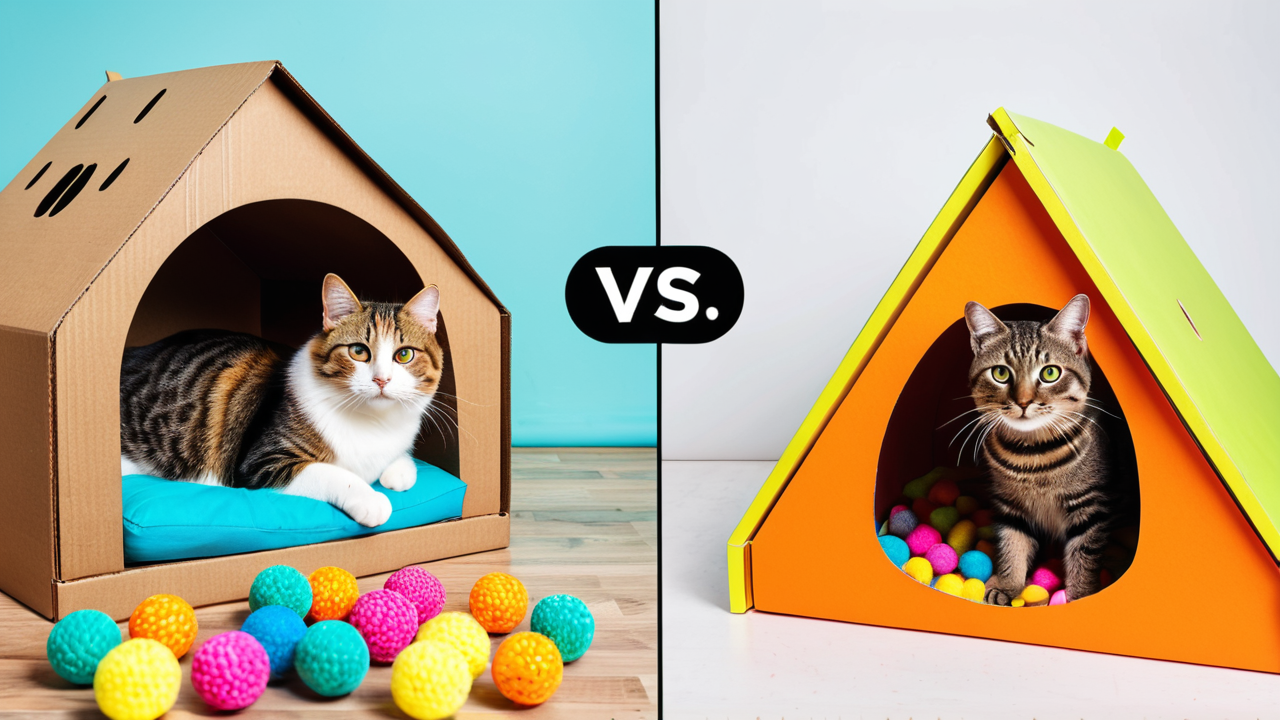
Cat Supplies vs. Alternatives: The Ultimate Guide to What Your Feline Really Needs
Choosing the right products for your cat is more than a shopping trip—it's an investment in their health, happiness, and well-being.
The pet aisle can be overwhelming, filled with specialized "cat supplies" and a sea of potential household "alternatives." Is it safe to use a regular sponge for grooming?
Can you skip the litter box liner?
This comprehensive guide cuts through the confusion, offering a head-to-head comparison of dedicated cat products versus common substitutes.
We'll focus on safety, efficacy, and what truly benefits your feline friend, featuring top-tier product recommendations to build your purr-fect care kit.
Why Specialized Cat Supplies Matter
Cats are not small dogs, and they are certainly not humans. They have unique physiological and behavioral needs. Dedicated cat supplies are formulated and designed with these specifics in mind:
- Safety: Cat-specific products avoid ingredients toxic to felines (like certain essential oils).
- Efficacy: They work with feline instincts (e.g., litter that mimics natural digging substrates).
- Health: They support species-specific needs, from urinary tract health to proper hydration.
- Well-being: The right products reduce stress and promote natural behaviors.
Using alternatives can sometimes be a harmless hack, but often, it can lead to health issues, behavioral problems, and more mess and cost in the long run.
Head-to-Head Comparisons: Cat Supplies vs. Household Alternatives
1. The Great Litter Debate: Premium Clumping Litter vs. Household Substitutes
The Scenario: You've run out of cat litter. Is it okay to use sand, soil, or shredded newspaper temporarily?
| Feature | Specialized Clumping Cat Litter | Household Alternatives (Sand, Soil, Newspaper) |
|---|---|---|
| Odor Control | Excellent. Contains activated charcoal, baking soda, or other agents to neutralize ammonia and fecal odors chemically. | Poor. Offers no chemical neutralization. Odors permeate quickly. |
| Clumping & Clean-up | Superior. Forms tight, solid clumps for easy, complete waste removal. | Nonexistent or Poor. Sand may clump weakly; soil turns to mud; newspaper just gets soggy. Leads to a dirty box. |
| Dust & Tracking | Low-Dust Formulas Available. Minimizes respiratory irritants for you and your cat. | Very High. Sand and soil are inherently dusty, creating more mess and potential for respiratory issues. |
| Health & Safety | Safe. Dust-controlled, non-toxic, and monitored for feline safety. | Risky. Soil can contain parasites, bacteria, fertilizers, or pesticides. Sand can cause eye/skin irritation. |
| Cat Preference | High. Designed to appeal to a cat's natural preference for a fine, diggable texture. | Unpredictable. Your cat may reject the box, leading to inappropriate elimination. |
Verdict: Stick with cat litter. Alternatives are a severe compromise on hygiene, health, and practicality. A dirty or unpleasant litter box is the number one cause of cats eliminating outside the box.
Our Top Litter Picks:
- ($22.99, Rating: 4.3/5)
 Dr. Elsey's Ultra UnScented Clumping Clay Cat Litter 40 lb. Bag
$22.99
4.3 out of 5 stars
Verified Amazon product
The gold standard for unscented, high-performance litter.
Its 99.9% dust-free formula is excellent for cats and owners with respiratory sensitivities.
It creates rock-solid clumps and provides reliable odor control without perfumes, which many cats dislike.
- ($10.49, Rating: 4.6/5)

A powerhouse for odor control, thanks to its activated charcoal formula. Ideal for multi-cat households or small spaces, its low-dust "Low Track" formula helps contain the mess. Great value for consistent performance. - ($17.99, Rating: 4.6/5)
 ARM & HAMMER Clump & Seal SLIDE Platinum Multi-Cat Clumping Cat Litter
$17.99
4.6 out of 5 stars
Verified Amazon product
This litter uses patented EZ Clean technology to make scooping effortless—clumps literally slide off the pan. The 14-day odor seal guarantee and baking soda power make it a top contender for busy households demanding cleanliness and ease.
2. Tempting Treats: Nutritious Supplements vs. Human Food Scraps
The Scenario: Your cat is begging while you cook. Is a piece of chicken or tuna from your plate a safe treat?
| Feature | Specialized Cat Treats | Human Food Alternatives (Plain Meat, Fish, Dairy) |
|---|---|---|
| Nutritional Balance | Supplemental. Fortified with taurine (essential for heart/eye health), vitamins, and often aids like hairball control. | Incomplete. Lacks essential feline nutrients like taurine, which is destroyed by cooking. |
| Calorie Control | Managed. Portion-controlled to avoid obesity. | Unmanaged. Easy to overfeed, contributing to weight gain. |
| Safety | Guaranteed. Formulated for feline digestion. Avoids harmful additives like onions, garlic, excess salt. | Risky. Seasonings, oils, butter, garlic, and onions are toxic. Bones are a choking hazard. |
| Hydration & Utility | Versatile. Can be used for training, bonding, or as a lickable hydration topper. | Limited. Typically just a food item. |
| Digestive Health | Gentle. Made for feline GI tracts. | Disruptive. Rich, fatty, or seasoned foods can cause vomiting, diarrhea, or pancreatitis. |
Verdict: Use cat-specific treats. While a tiny piece of plain, cooked chicken is occasionally okay, dedicated treats are a safer, more beneficial tool for rewarding and nourishing your cat.
Our Top Treat Pick:
- ($32.96, Rating: 4.8/5)
 INABA Churu Cat Treats, Grain-Free, Lickable Purée
$32.96
4.8 out of 5 stars
Verified Amazon product
More than a treat, Churu is a phenomenon.
This creamy purée is perfect for hydration (especially for cats that don't drink enough), bonding, and rewarding.
It's grain-free, contains essential vitamin E and taurine, and its irresistible texture makes it ideal for medication administration or comforting anxious cats.
The 50-tube pack offers great value.
3. Grooming & Cleaning: Hypoallergenic Pet Wipes vs. Human Wipes & Sponges
The Scenario: Your cat has dirty paws or a messy back end. Can you use a baby wipe or damp cloth?
| Feature | Hypoallergenic Pet Wipes | Human Baby Wipes / Damp Cloths |
|---|---|---|
| pH Balance | Feline-Specific. Formulated to match your cat's skin pH, protecting their acid mantle—a crucial barrier against infection. | |
| Human-Specific. Can disrupt a cat's skin pH, leading to dryness, irritation, and vulnerability to bacteria. | ||
| Ingredients | Safe. Free from alcohol, parabens, sulfates, and fragrances that commonly irritate feline skin. |
Often include soothing agents like aloe or vitamin E.
| Potentially Toxic. May contain alcohol, essential oils (like tea tree, lavender), or perfumes that are harmful if licked or absorbed.
|
| Intended Use | Targeted. Designed for paws, body, and sanitary areas. Textured for effective cleaning of fur and skin. | General. Not designed for fur penetration or pet hygiene. |
| Convenience | Optimized. Resealable packs for freshness, strong and durable material. | Variable. Kitchen sponges harbor bacteria; cloths require laundry. |
Verdict: Always choose pet-safe wipes. A cat's skin is more sensitive than human skin. Using the wrong product can cause significant dermatological issues, and ingestion of harmful chemicals is a real risk.
Our Top Grooming Pick:
- ($9.98, Rating: 4.6/5)

These unscented, hypoallergenic wipes are a staple for responsible pet owners.
Perfect for quick clean-ups of muddy paws, wiping away "eye gunk," or handling sanitary messes.
They are durable, generously sized, and made with safe, soothing ingredients like aloe vera and vitamin E.
The 100-count pack is incredibly economical.
Building Your Essential Cat Supply Kit: Beyond the Basics
While food, water, a carrier, and a scratching post are fundamental, a well-stocked kit includes:
- Premium Litter & a Proper Box: One box per cat, plus one extra. Place in quiet, accessible locations.
- Nutritional Treats & Puzzles: Use for training, enrichment, and promoting hydration.
- Pet-Safe Cleaning Supplies: Wipes for quick clean-ups and enzymatic cleaners for accidents.
- Interactive Toys: Wand toys for prey-simulation play, which reduces stress and obesity.
- Regular Grooming Tools: A fine-toothed comb for all coat types, especially for long-haired cats.
- A Comfortable Hideaway: A dedicated bed or cave in a safe spot provides security.
Actionable Advice: Audit your supplies quarterly. Check expiration dates on treats, the condition of toys, and refresh grooming tools. Observe your cat's preferences—if they avoid a certain litter or toy, don't force it; try a different type.
FAQ: Cat Supplies vs. Alternatives
Q1: Is it okay to use baking soda alone as a cat litter deodorizer?
A: While baking soda is a component in many litters (like ARM & HAMMER), using a thick layer under litter can be problematic. If exposed, the fine powder can be inhaled by your cat, causing respiratory irritation. It's safer to choose a litter with baking soda already integrated into its formula for controlled, safe odor neutralization.
Q2: My cat loves milk. Why can't I give it to them as a treat?
A: Most adult cats are lactose intolerant. They lack sufficient lactase, the enzyme needed to digest the lactose in cow's milk. Giving milk can lead to stomach upset, gas, and diarrhea. If you want to give a liquid treat, opt for a lickable, cat-specific product like INABA Churu or commercial "cat milk" that is lactose-free.
Q3: Can I use dog shampoo or human baby shampoo on my cat?
A: No, this is not safe. Dog shampoos may contain permethrins or other ingredients highly toxic to cats. Human and baby shampoos are not pH-balanced for feline skin and can strip protective oils. Always use a shampoo specifically labeled for use on cats.
Q4: Are there any safe "alternative" litters I can make at home?
A: While some owners use shredded newspaper pellets (commercially made are safer than homemade) or wheat-based litters, homemade options are generally not recommended. They lack proper odor control, clumping ability, and may not be accepted by your cat. For health, hygiene, and convenience, a high-quality commercial litter is the best choice.
Q5: I use natural essential oils in my diffuser. Is that safe for my cat?
A: Use extreme caution. Cats lack certain liver enzymes to metabolize compounds in many essential oils (e.g., tea tree, eucalyptus, citrus, peppermint). Diffused oils can settle on their fur and be ingested during grooming, or be inhaled, leading to toxicity. Symptoms range from drooling and vomiting to liver failure. Consult your vet before using any essential oils in your home.
Q6: Is a cardboard box a suitable alternative to a cat bed?
A: In this case, the alternative wins! Cardboard boxes are fantastic, inexpensive enrichment items. They provide security, a warm place to sleep, and satisfy hiding instincts. Feel free to offer boxes alongside or even instead of a traditional bed—just ensure they are clean and free of staples or tape.
Final Thoughts: Investing in Your Cat's Quality of Life
The choice between dedicated cat supplies and household alternatives ultimately boils down to prioritizing your cat's health and natural needs.
While the initial cost of premium products might be higher, they prevent costly vet visits from issues like urinary tract infections (from a dirty box), skin ailments (from harsh cleaners), or poisoning (from inappropriate foods).
The products featured here—like the superior odor control of Fresh Step and ARM & HAMMER litters, the healthful hydration of INABA Churu treats, and the gentle cleansing of Earth Rated wipes—represent investments in a happier, healthier, and more harmonious life with your feline companion.
By choosing wisely, you're not just buying supplies; you're providing care, comfort, and love.
Related Articles
Related Products
Check out our top-rated Cats products


