Bird Supplies Essentials: A Complete Overview

Updated on 1/19/2026
Bird Supplies Essentials: A Complete Overview

The Ultimate Guide to Bird Supplies Essentials: Creating a Happy, Healthy Home for Your Feathered Friend

Bringing a bird into your home is a joyful commitment to a vibrant, intelligent, and social creature. Unlike many pets, birds are highly sensitive to their environment, making the selection of the right supplies not just a matter of convenience, but of critical importance to their physical health and psychological well-being. This comprehensive guide will walk you through every essential category, from the foundational cage to enriching toys and nutritious food, ensuring you have the knowledge to build a thriving habitat for your avian companion.

The Foundational Five: Non-Negotiable Essentials for Every Bird Owner

Before you welcome your bird home, these five core categories must be addressed. Skimping on any of these can lead to stress, illness, and behavioral problems.

1. The Avian Abode: Choosing the Perfect Bird Cage

The cage is your bird's castle—its primary territory, safe haven, and playground. Selecting the right one is the most important decision you'll make.

Size & Shape: Bigger is Always Better. Vets and avian experts unanimously agree that you should purchase the largest cage your space and budget can accommodate. Your bird must be able to fully extend and flap its wings without touching the sides. The cage shape is equally crucial; always opt for a cage that is wider than it is tall. Birds fly horizontally, not vertically. Tall, narrow cages are unsuitable. For a single budgie or canary, a minimum of 18"W x 18"D x 24"H is a starting point, but larger is strongly recommended. For larger parrots like African Greys or Amazons, think in terms of several feet in width and depth.

Bar Spacing & Material: The spacing between bars must be appropriate for your bird's size to prevent injury or escape. Small birds like finches need 1/4" to 1/2" spacing, while macaws need over 1". The material should be sturdy, non-toxic powder-coated steel or stainless steel. Avoid cages with zinc or lead components, which are toxic if chewed.

Design & Functionality: Look for a cage with horizontal side bars, which provide climbing exercise. Doors should be secure, and a removable grate over the bottom tray helps keep your bird away from droppings. A large front-opening door is invaluable for training, play, and cleaning ease.

2. The Cornerstone of Health: Premium Bird Food & Nutrition

"Bird seed" is not a complete diet. A diet of only seed is like a human living on nothing but potato chips—it's fatty, deficient in vital nutrients, and leads to obesity, liver disease, and a shortened lifespan.

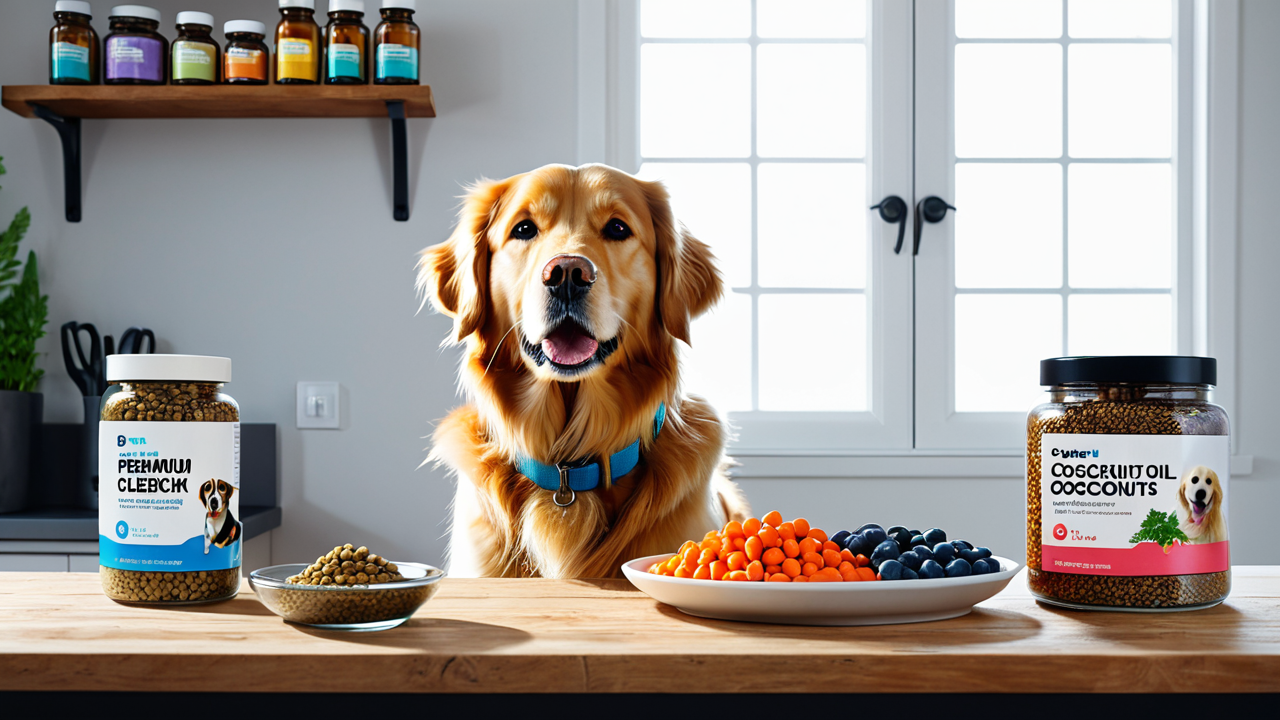
Pelleted Diets: The Veterinary Gold Standard. Vets recommend a nutritionally balanced pelleted diet as the core (60-80%) of your bird's food intake. Pellets are formulated to provide complete nutrition. Brands like Harrison's, Roudybush, and Zupreem are highly regarded. Transition from seed to pellets must be done gradually over several weeks.

The Fresh Food Supplement: The remaining 20-40% of the diet should consist of fresh, bird-safe vegetables (dark leafy greens, carrots, sweet peppers) and some fruits (berries, mango, papaya). Always wash thoroughly and remove uneaten fresh food after a few hours to prevent spoilage.

Seeds & Treats: Think of seeds as occasional treats or for training reinforcement, not a staple. Clean, fresh water must be available at all times, provided in a chew-proof bowl that is cleaned daily.

3. The Psychology of Play: Must-Have Bird & Parrot Toys

Toys are not luxuries; they are necessities for mental health. In the wild, birds spend 70-80% of their waking hours foraging and manipulating objects. Captivity without enrichment leads to boredom, which manifests as feather plucking, screaming, and aggression.

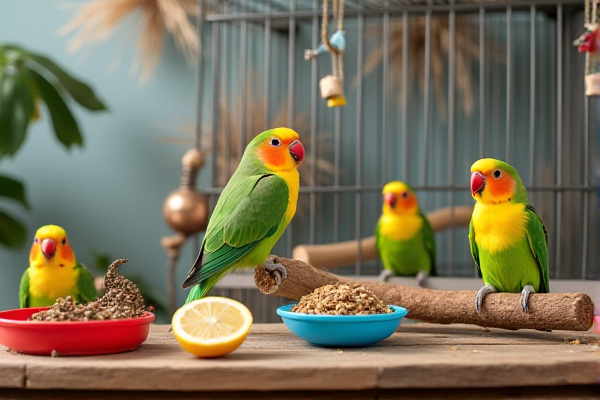
The Four Types of Enrichment Toys: * Foraging Toys: These challenge your bird to work for its food, stimulating its natural problem-solving instincts. Examples are puzzle boxes, treat-dispensing balls, and shreddable cups with hidden goodies. * Destructive/Chewing Toys: Made of bird-safe wood, cardboard, palm leaf, or natural fibers. These satisfy the innate need to chew and destroy, keeping beaks trim and minds engaged. * Preening & Comfort Toys: Soft cotton or acrylic ropes, fleece, or cuddle toys can provide comfort, especially for single birds. Supervision is key to ensure threads aren't ingested. * Noise & Manipulative Toys: Bells, rattles, and acrylic toys with moving parts provide auditory and tactile stimulation.

Safety First: Regularly inspect toys for broken parts, loose strings, or sharp edges. Rotate 3-4 toys in the cage weekly to maintain novelty and interest.

4. Creating Comfort: Perches, Dishes, & Bedding

Perches: Ditch the uniform, smooth plastic perches that come with most cages. A variety of perch diameters and textures is essential for foot health, preventing pressure sores and arthritis. Provide: * Natural wood branches (manzanita, dragonwood, apple) of varying widths. * A cement or pedicure perch placed in a non-food/water area to help naturally file nails and beaks. * A soft, rope perch for comfort. Place perches at different heights and away from food/water dishes to avoid contamination.

Food & Water Dishes: Use sturdy, stainless steel bowls. They are more durable, easier to sanitize, and less likely to harbor bacteria than plastic. Have multiple sets for easy rotation during cleaning.

Cage Liner/Bedding: The bottom of the cage should be lined with a safe, absorbent material. Plain paper (butcher paper, paper towels), newspaper (with non-toxic, soy-based ink), or commercial cage liners are best. Avoid corn cob, walnut shell, or clay cat litter, as these can be ingested or grow mold.

5. Health & Grooming Essentials

* Cuticle Scissors/Nail Clippers: For safe nail trims. Learn proper technique from an avian vet to avoid cutting the quick. * Styptic Powder: Essential to stop bleeding if you accidentally clip a nail too short. * Bird Bath or Mister: Most birds enjoy bathing. Provide a shallow dish or use a spray bottle with lukewarm water to mist them several times a week. * First-Aid Kit: Include items like saline solution, gauze, and tweezers, and have your avian vet's number on speed dial.

---

Top Picks: Curated Essentials for Your Bird

Based on safety, quality, and expert recommendations, here are top-tier choices in each essential category.

Top Pick for Bird Cages: Prevue Hendryx Flight Cage

With its wide, flight-friendly design, durable powder-coated finish, and appropriate bar spacing for small to medium birds, this cage offers exceptional value and space. Its multiple doors and removable stand make interaction and cleaning straightforward.

Top Pick for Bird Food: Harrison's Bird Foods High Potency Fine Pellets

Organic and scientifically formulated, Harrison's is the brand most frequently recommended by avian veterinarians worldwide. Their High Potency line is ideal for conversion from seed diets and for maintaining optimal health.

Top Pick for Parrot Toys: Planet Pleasures Foraging Roll

This toy excels by combining destructible seagrass, hidden foraging compartments, and a fun rolling motion. It encourages natural chewing and problem-solving behaviors for hours of safe engagement.

---

Building the Habitat: Placement, Setup, and Safety

Cage Placement is Key: Place the cage in a part of your home with family activity (birds are flock animals and want to be near you), but against a wall for security. Avoid direct sunlight, drafts from windows/doors, and the kitchen (fumes from non-stick cookware are lethal to birds). Ensure the room is well-ventilated.

The Safe Home Audit: Before your bird is out of its cage, you must bird-proof the room. This means: * Covering or securing windows and mirrors. * Removing toxic houseplants (like lilies, philodendron). * Ensuring ceiling fans are OFF. * Putting away chemicals, candles, and essential oil diffusers. * Supervising all interactions with other pets.

Maintaining a Thriving Environment: Daily, Weekly, and Monthly Tasks

Daily: Refresh food and water. Wash bowls. Remove spoiled fresh food. Spot-clean droppings from perches and cage liner. Offer social interaction and out-of-cage time (if tamed).

Weekly: Change the full cage liner. Wash all perches and toys in hot, soapy water. Scrub and disinfect the cage tray and grate.

Monthly: Perform a deep clean of the entire cage structure. Inspect all toys and perches for wear and tear, replacing as needed.

Frequently Asked Questions (FAQ)

Q1: How often should I change my bird's toys? A: Rotate 2-3 toys in and out of the cage every 1-2 weeks. This keeps the environment novel and interesting. Always have a mix of toy types available.

Q2: My bird is scared of new toys. What should I do? A: Introduce new toys gradually. Place the toy outside the cage for a few days, then hang it near but not inside the cage, and finally, place it in a non-threatening area of the cage. Pair its presence with a favorite treat to create positive associations.

Q3: Are there any foods that are toxic to birds? A: Yes. Absolutely avoid avocado, chocolate, caffeine, alcohol, onions, garlic, fruit pits/seeds (like apple seeds, which contain cyanide), and anything high in salt, sugar, or fat. When in doubt, don't feed it.

Q4: How many hours of sleep does my bird need? A: Most pet birds require 10-12 hours of uninterrupted, quiet, and dark sleep each night. Consider using a cage cover to ensure they get proper rest, which is vital for immune function and mood.

Q5: Do I need to take my bird to the vet even if it seems healthy? A: Yes. Birds are masters at hiding illness. Schedule a well-bird checkup with an avian-certified veterinarian at least once a year. This is crucial for early detection of potential health issues.

Q6: Is it okay to use sandpaper perch covers? A: No. Avian vets strongly advise against them. They are abrasive and can cause serious foot sores and infections. Use natural texture variation (wood, cement, rope) for proper foot health instead.

Investing in the right bird supplies essentials is the first and most profound act of care you can provide for your feathered family member. By prioritizing a spacious and safe cage, a vet-recommended diet, a rotating arsenal of stimulating toys, and a consistent care routine, you lay the foundation for a long, vibrant, and mutually rewarding companionship. Remember, a well-supplied bird is a engaged, healthy, and happy bird. Welcome to the incredible journey of bird ownership