Bird Supplies Buying Guide: What You Need to Know

Updated on 1/19/2026
Bird Supplies Buying Guide: What You Need to Know

The Ultimate Bird Supplies Buying Guide: Creating a Thriving Home for Your Feathered Friend

Bringing a bird into your home is the start of a wonderful, rewarding journey. These intelligent, social, and beautiful creatures rely on us completely for their health and happiness. Setting up their environment correctly from the start is the single most important thing you can do to ensure a long, vibrant life for your pet. This comprehensive guide will walk you through every essential bird supply, from the foundational cage to enriching toys and nutritious food, empowering you to make the best choices for your avian companion.

Why the Right Supplies Are Crucial for Bird Well-being

A bird’s physical and mental health is directly tied to its environment. In the wild, they would fly for miles, forage for diverse foods, solve problems, and interact with a complex world. Our job as pet owners is to replicate that richness within our homes. The right supplies prevent boredom (which can lead to destructive feather plucking), encourage natural behaviors, provide safety, and form the basis of a nutritious diet. Investing in quality items from the outset is an investment in your bird’s longevity and your mutual bond.

---

Chapter 1: The Foundation - Choosing the Perfect Bird Cage

The cage is your bird’s castle, its safe haven, and its primary territory. It’s not just a container; it’s their home. Selecting the right one is non-negotiable.

Size & Dimensions: Bigger is Always Better

The golden rule: purchase the largest cage your space and budget can accommodate. Your bird must be able to fully extend and flap its wings without touching the sides. For example: * Small Birds (Budgies, Canaries, Finches): Minimum 24" L x 18" W x 24" H. Aim for wider cages for flight. * Medium Birds (Cockatiels, Conures, Lovebirds): Minimum 30" L x 24" W x 36" H. * Large Birds (African Greys, Amazons, Cockatoos): Minimum 36" L x 48" W x 60" H. These birds require play-top cages or dedicated aviaries.

Bar Spacing & Construction: A Matter of Safety

* Bar Spacing: This is critical to prevent injury or escape. For small birds like budgies, spacing should be no more than 1/2 inch. For larger hookbills like macaws, spacing can be 1 inch to 1.5 inches. Always check the recommended spacing for your specific species. * Material & Finish: Powder-coated stainless steel is the gold standard. It is non-toxic, durable, and easy to clean. Avoid zinc or lead-based paints, which are toxic if ingested.

Cage Shape & Design

* Opt for Rectangular: Rectangular or square cages provide more usable interior space and safer corners for retreat than round cages. * Horizontal Bars: Prioritize cages with horizontal bars on at least two sides. These are essential for climbing and exercise. * Security Features: Look for secure, bird-proof locks. Large birds are adept at figuring out simple latches.

Practical Cage Features Checklist

  • [ ] Removable grate and tray for easy cleaning
  • [ ] Multiple feeder doors for easy food/water access
  • [ ] A variety of perches of different diameters and textures (more on this below)
  • [ ] Securely locking casters for mobility (optional but helpful)
  • ---

    Chapter 2: Nutrition Essentials - Beyond Just Bird Seed

    A diet of only seed is like a human living on only potato chips—it’s fatty, deficient in nutrients, and leads to serious health problems. A balanced diet is the cornerstone of avian health.

    The Modern Avian Diet: Pellets as a Staple

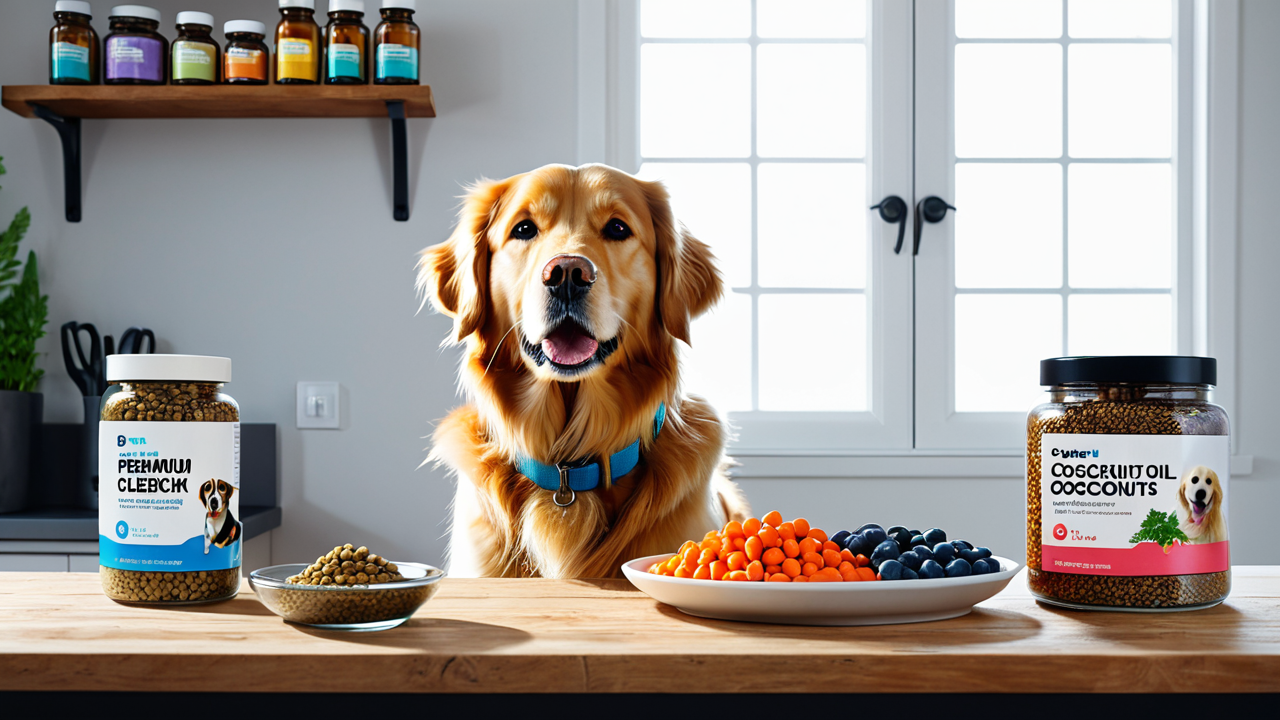
    Formulated, nutritionally complete pellets should make up 60-80% of your bird’s daily diet. They are designed to prevent selective eating (where birds pick out only their favorite, often fatty, seeds).

    Our Top Pick for Balanced Nutrition: Higgins Premium Pellets. Available in sizes for all birds, these pellets are fortified with essential vitamins, minerals, and amino acids.

    The Vital Role of Fresh Foods

    20-30% of the diet should be fresh, bird-safe vegetables and some fruits. Offer a colorful variety daily: * Leafy Greens: Kale, Swiss chard, dandelion greens, romaine lettuce. * Vegetables: Sweet potato (cooked), carrots, bell peppers (all colors), broccoli, zucchini. * Fruits (in moderation due to sugar): Berries, melon, papaya, apple (no seeds).

    Seeds, Nuts, and Treats: Use Sparingly

    High-quality seed mixes and nuts should be only 5-10% of the diet, used as training rewards or foraging incentives. Avoid seed mixes with artificial colors and fillers like dried corn.

    Our Top Pick for a Premium Seed Mix: Kaytee Forti-Diet Pro Health Seed. This blend includes essential nutrients and probiotics for digestive health.

    Essential Feeding Accessories

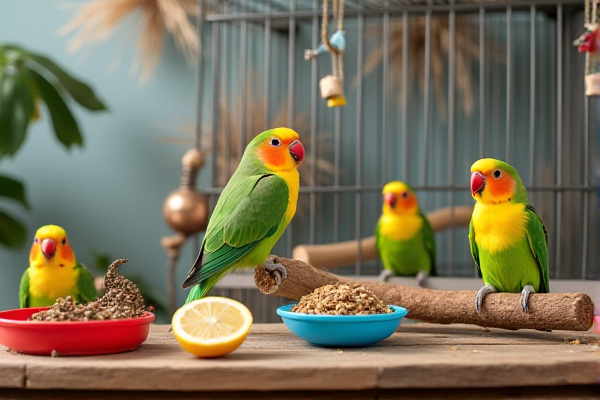
    * Stainless Steel Bowls: Use at least three: one for pellets, one for fresh foods, and one for water. They are hygienic and chew-proof. * Foraging Toys: Turn mealtime into an engaging activity. Hide treats and pellets in foraging toys to stimulate your bird’s natural problem-solving instincts.

    ---

    Chapter 3: Enrichment & Comfort - Perches, Toys, and Accessories

    A bird with nothing to do is an unhappy bird. Mental and physical stimulation prevents behavioral issues and promotes overall wellness.

    Perches: The Foundation of Foot Health

    Avoid the plastic perches that come with most cages. They are all the same diameter and can cause painful pressure sores on your bird’s feet. * Natural Wood Perches: Provide varying diameters to exercise foot muscles. Manzanita, dragonwood, and java wood are excellent choices. * Cement or Sandy Perches: Place one near the food bowl to help naturally file down nails and beaks. Do not make these the primary perches. * Rope Perches: Great for comfort and flexibility, but monitor for fraying and ingestion.

    Bird Toys: A Non-Negotiable for Mental Health

    Toys are not luxuries; they are necessities. Rotate toys weekly to maintain novelty.

    1. Foraging Toys: These are the most important type. They make your bird work for food, providing crucial mental exercise. Examples: puzzle boxes, shreddable cups with hidden treats. 2. Chewing & Shredding Toys: Birds need to chew! Provide softwood, sola, balsa, palm leaf, and cardboard toys. This keeps their beaks in good condition and satisfies natural urges. 3. Preening & Textural Toys: Leather strips, crinkly paper, and soft cotton ropes can encourage preening and manipulation. 4. Noise-Making & Interactive Toys: Bells, rattles, and acrylic toys with moving parts provide auditory and visual stimulation.

    Our Top Picks for Engaging Parrot Toys: * For Intelligent Foragers: Planet Pleasures Foraging Cube * For Destructive Chewers: Super Bird Creations Hardwood Chew * For Playful Interaction: JW Pet Activitoy Birdie Bagel

    Other Essential Accessories

    * Cutticle/Bird Nail Clippers: For safe, at-home nail trims. Learn proper technique from an avian vet. * Misting Spray Bottle: For bathing; most birds love a gentle misting with lukewarm water. * Play Gyms & Stands: A separate area outside the cage for supervised play and bonding time. * Cage Covers: A dark, breathable cover helps regulate sleep (birds need 10-12 hours of uninterrupted darkness).

    ---

    Chapter 4: Health, Grooming & Safety Must-Haves

    First-Aid & Health Supplies

    * Avian First-Aid Kit: Include styptic powder (for bleeding nails), saline solution, gauze, and a pet-safe disinfectant. * Digital Gram Scale: The best way to monitor health. Weigh your bird weekly; weight loss is often the first sign of illness. * Avian Vet Contact: Have the number of a certified avian veterinarian programmed and know the location of the nearest emergency clinic.

    Cleaning Supplies

    * Bird-Safe Cage Cleaner: Use cleaners specifically labeled safe for birds, as their respiratory systems are extremely sensitive. A vinegar-and-water solution is a good natural alternative. * Poop-Off Solution: For easy cleaning of perches and toys. * A dedicated set of scrub brushes and cloths for cage cleaning.

    ---

    Your Bird Supplies Buying Checklist

    Use this list before you bring your new bird home:

    The Cage & Setup:

  • [ ] Appropriately sized cage with correct bar spacing
  • [ ] Powder-coated or stainless-steel construction
  • [ ] Removable bottom grate and tray
  • [ ] Secure locks on all doors
  • [ ] Minimum of 3 stainless steel bowls
  • [ ] Cage cover for sleep
  • Perches & Comfort:

  • [ ] 3-5+ perches of varying materials and diameters
  • [ ] At least one natural wood perch
  • [ ] One cement/pumice perch for nail/beak care (not main perch)
  • Nutrition:

  • [ ] High-quality pelleted diet (primary food)
  • [ ] Premium seed mix (for treats/training)
  • [ ] Plan for fresh vegetables and fruits
  • [ ] Cuttlebone or mineral block for calcium
  • Enrichment & Toys:

  • [ ] 2-3 foraging toys
  • [ ] 3-4 shredding/chewing toys
  • [ ] 1-2 interactive/noise-making toys
  • [ ] Play stand or gym for out-of-cage time
  • Health & Grooming:

  • [ ] Nail clippers & styptic powder
  • [ ] Misting spray bottle
  • [ ] Bird-safe cage cleaner
  • [ ] Digital kitchen scale (grams)
  • [ ] Contact info for an avian veterinarian

---

Frequently Asked Questions (FAQ)

Q1: How often should I clean my bird's cage? * Daily: Remove and wash food/water bowls. Wipe down perches and spot-clean droppings. * Weekly: Remove all toys and perches for washing. Change the bottom tray liner and wash the tray with bird-safe cleaner. Scrub the cage bars. * Monthly: Perform a deep clean of the entire cage, including grates and all accessories.

Q2: My bird is scared of new toys. What should I do? Introduce new toys slowly. Place the toy near the cage for a few days, then hang it on the outside, and finally, place it in a non-threatening area inside the cage. Pair its presence with a favorite treat. Never force interaction.

Q3: Are there any household dangers I should be aware of? Yes. Birds have extremely sensitive respiratory systems. Avoid: non-stick cookware (Teflon fumes are fatal), aerosol sprays, scented candles, strong cleaners, and cigarette smoke. Also, ensure they are safe from ceiling fans, open toilets, and toxic houseplants (like lilies, avocado, philodendron).

Q4: Can I use sandpaper perch covers? No. Sandpaper covers can cause severe irritation and open sores on the bottom of your bird's feet. They are ineffective for nail trimming and are considered harmful by avian experts.

Q5: How many toys should be in the cage at once? A good rule is 3-5 toys at a time, ensuring they are of different types (foraging, chewing, preening). Rotate them every 1-2 weeks to keep your bird’s environment novel and engaging.

Q6: Is tap water safe for my bird? In most municipalities, yes. However, if your water is heavily chlorinated or has a strong odor, using filtered or bottled water is a safer choice. Always provide fresh, clean water daily.

---

Creating the perfect home for your bird is an act of love. By investing in a spacious, safe cage, providing a balanced diet rich in pellets and fresh foods, and filling their world with engaging toys and perches, you are laying the groundwork for a decades-long, joyful partnership. Remember, your avian veterinarian is your best ally—establish a relationship early for regular check-ups. Welcome to the incredible, rewarding world of bird ownership