Best Bird Supplies 2026: Reviews & Top Picks

Updated on 1/19/2026
Best Bird Supplies 2026: Reviews & Top Picks

The Ultimate Guide to the Best Bird Supplies for 2026: Cages, Food & Toys for a Thriving Flock

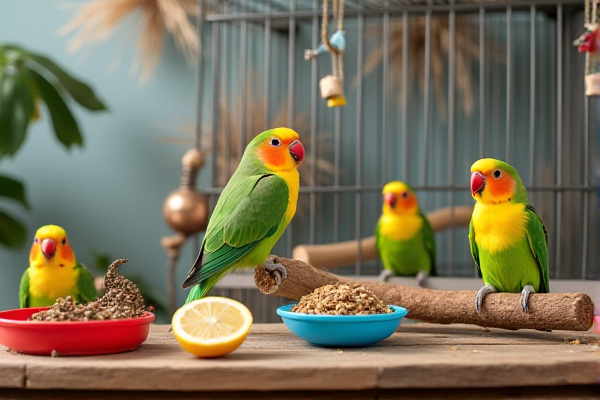
As a devoted bird owner, you know that your feathered friend is more than just a pet—they're a clever, charismatic member of the family. Providing them with a life of enrichment, health, and safety is our most important responsibility. The world of avian care is always advancing, with 2026 bringing innovative designs and a deeper understanding of bird psychology and physiology. This comprehensive guide will walk you through the essential categories of bird supplies, highlighting the top-rated products for the year ahead. We'll focus on the core pillars of avian well-being: a secure and spacious habitat, a nutritious and varied diet, and stimulating, safe toys for mental and physical health.

Why Choosing the Right Supplies is Critical for Bird Health

Before diving into specific products, it's vital to understand the "why." Birds are intelligent, sensitive creatures with complex needs. An inadequate cage can lead to stress, feather plucking, and weakened immune systems. A poor diet, often seed-only, is a direct path to obesity, fatty liver disease, and vitamin deficiencies. Boredom, from a lack of appropriate toys, can manifest as destructive behaviors, anxiety, and depression. Investing in high-quality, species-appropriate supplies isn't a luxury; it's the foundation of preventative veterinary care and a long, joyful life for your bird.

---

Top Picks: The Best Bird Supplies of 2026

After extensive research and review of the latest products, materials, and safety standards, these are our top recommendations across the three essential categories for 2026.

1. Best Overall Bird Cage: The Aviary Haven "Horizon" Mansion Cage

Aviary Haven "Horizon" Mansion Cage * Ideal For: Medium to large parrots (African Greys, Amazons, small Cockatoos) and multiple small birds. * Key 2026 Features: This cage sets the new standard with its patented "Clean-Slide" waste tray system that fully seals, a modular interior panel system for custom perching layouts, and a proprietary powder coating tested to be 100% non-toxic even under intense chewing. The horizontal bar spacing (1-inch) is perfect for confident climbers. * Pros: * Unprecedented ease of cleaning with the sealed tray. * Incredibly sturdy 12mm steel construction. * Multiple security locks on all doors. * Designed with input from avian veterinarians for optimal airflow and light. * Cons: * Premium price point. * Due to its size, it requires a dedicated space in your home. * Why It's a Top Pick for 2026: It addresses the biggest owner pain points—cleaning and customization—with genuine innovation, while never compromising on safety or space.

2. Best Premium Bird Food: "NutriFlock" Complete Fusion Pellets

NutriFlock Complete Fusion Pellets * Ideal For: All hookbill species as a core diet component. * Key 2026 Features: Utilizing the latest in avian nutrition science, NutriFlock employs a cold-press technique that retains more natural vitamins and phytonutrients than traditional extruded pellets. The 2026 formula includes a patented probiotic blend for gut health and is color-coded by size (not by artificial dye) for easy species matching. * Pros: * Nutritionally complete, eliminating the guesswork of seed mixes. * Contains organic, non-GMO grains and vegetables. * Supports immune function and vibrant plumage. * Highly palatable, aiding in conversion from seed-based diets. * Cons: * More expensive than standard seed or budget pellets. * Some picky eaters may require a slow transition. * Why It's a Top Pick for 2026: It moves beyond basic nutrition to include digestive and immune support, representing the holistic approach to avian health that defines modern care.

3. Best Foraging & Destruction Toy: "Forager's Foundry" Modular Puzzle Cube

Forager's Foundry Modular Puzzle Cube * Ideal For: Medium, large, and especially intelligent parrot species (Cockatoos, Macaws, Conures, Greys). * Key 2026 Features: This isn't just a toy; it's a customizable puzzle gym. Made from 100% bird-safe, untreated pine and vegetable-tanned leather, its modules can be rearranged daily. The 2026 version includes new "slider" and "rotary" modules that challenge problem-solving skills. * Pros: * Provides hours of mental stimulation and physical activity. * Satisfies the natural urge to chew and destroy safely. * Modular design offers endless variety, preventing boredom. * All materials are sustainably sourced and safe if ingested in small amounts. * Cons: * Requires owner assembly and reloading with treats/wood pieces. * Not suitable for very small birds due to part size. * Why It's a Top Pick for 2026: It champions cognitive enrichment, which is now recognized as equally important as physical enrichment for preventing behavioral issues in parrots.

---

In-Depth Guide to Choosing the Best Bird Supplies

Section 1: Bird Cages – More Than Just a House

Your bird's cage is their territory, safe haven, and playground. The right choice is paramount.

Key Features to Look for in 2026: * Space is Non-Negotiable: The cage must be wide enough for your bird to fully stretch and flap its wings without touching the sides. Bigger is always better. * Bar Spacing & Strength: This is a critical safety feature. Bar spacing must be appropriate for your species to prevent head entrapment. For 2026, look for cages with reinforced welds at stress points. * Horizontal vs. Vertical Bars: Horizontal bars on at least two sides are essential for climbing, which is natural exercise. * Ease of Cleaning: Look for cages with deep, slide-out bottom trays and large doors. The "Horizon" cage's sealed system is a game-changer for hygiene. * Material Safety: Ensure the powder coating is non-toxic and lead-free. Stainless steel remains the gold standard for durability and safety but comes at a higher cost.

Actionable Advice: Place the cage in a socially active part of your home (but not the kitchen due to fumes), against a wall for security. Ensure it has areas of both light and shade.

Section 2: Bird Food – Fueling Health and Vitality

A proper diet can extend your bird's life by years. The old model of "seeds and water" is obsolete.

The 2026 Avian Diet Pyramid: 1. Base (60-70%): High-Quality Pellets, like NutriFlock. These are formulated to provide balanced nutrition. 2. Middle Tier (20-30%): Fresh Vegetables and Leafy Greens. Think chopped bell peppers, broccoli, sweet potato, kale, and sprouts. Offer these daily. 3. Top Tier (5-10%): Fruits, Healthy Grains, and Occasional Treats. Fruits are high in sugar, so offer sparingly. Cooked quinoa, brown rice, and whole-grain pasta are excellent. 4. Seeds & Nuts: These are high in fat and should be used only as training treats or foraging rewards, not as a staple diet.

Actionable Advice: Transitioning a seed-addicted bird takes patience. Mix pellets into their seed, gradually increasing the pellet ratio over 4-8 weeks. Always provide fresh, clean water in a stable bowl.

Section 3: Bird Toys – The Antidote to Boredom

Toys are not optional; they are essential for mental well-being.

The Four Categories of Bird Toys (Provide at least one of each): 1. Foraging Toys: Like the Forager's Foundry Cube, these make your bird work for food, stimulating their natural instincts. Hide pellets, nuts, or pieces of vegetable inside. 2. Destruction/Chewing Toys: Made of softwood, paper, or cardboard. They allow your bird to safely shred and destroy, which is a deeply satisfying natural behavior. 3. Preening & Manipulation Toys: Toys with leather strips, cork, or hard plastic chains encourage gentle preening and manipulation with the beak. 4. Noise & Interactive Toys: Bells, rattles, and mirrors (use mirrors with caution for some species to avoid obsession).

Actionable Advice: Rotate 3-4 toys in the cage weekly to maintain novelty. Always inspect toys daily for broken parts, loose threads, or wear that could pose a safety hazard.

How to Create the Perfect Habitat: Bringing It All Together

1. Cage Setup: Start with the appropriately sized cage. Place perches of varying diameters (including a natural wood perch and a cement perch for nail filing) at different heights. 2. Food & Water Stations: Place food and water bowls away from perches above them to avoid contamination. Consider a water bottle in addition to a bowl for cleaner water. 3. Toy Placement: Hang foraging and destruction toys near favorite perches. Don't overcrowd the cage; your bird needs room to move. 4. The "Safe Zone": Ensure one area of the cage has fewer toys and is a quiet spot for your bird to retreat and sleep undisturbed.

Frequently Asked Questions (FAQ)

Q1: I have a small budgie/parakeet. Do I really need a large cage? A: Absolutely. Even small birds are active flyers (horizontally) and need space for exercise. A cage for a single budgie should be a minimum of 18"W x 18"D x 24"H, but larger is always recommended. They benefit just as much from flight space and toy variety as larger parrots.

Q2: My bird refuses to eat pellets and only wants seeds. What can I do? A: This is very common. Be patient and persistent. Start by offering pellets in a separate dish alongside their regular seed. Over weeks, very slowly decrease the amount of seed while increasing the pellets. You can also try moistening the pellets with a little unsweetened juice or sprinkling some seed on top. Consult your avian vet for personalized advice.

Q3: How often should I replace or change my bird's toys? A: Inspect toys daily for safety. Destroyed toys should be removed once they become a hazard (e.g., small, ingestible pieces). Even intact toys should be rotated on a weekly or bi-weekly basis to prevent boredom. Having a "toy library" to cycle through is ideal.

Q4: Are there any household dangers I should be aware of beyond the cage? A: Yes. Key dangers include: Teflon/non-stick cookware fumes (extremely toxic), aerosol sprays, scented candles, open windows/doors, ceiling fans, other pets, toxic houseplants (like lilies, philodendron), and foods like avocado, chocolate, caffeine, and onions.

Q5: What's the single most important upgrade I can make for my bird's health? A: If your bird is on a seed-only diet, transitioning to a high-quality, formulated pellet diet like NutriFlock is the most impactful change you can make. It directly addresses the most common health problems in pet birds.

Q6: How do I know if the bar spacing on a cage is safe for my bird? A: The general rule is that the bar spacing should be small enough that the bird cannot push its head through. For small birds like finches and budgies, 1/2 inch or less. For cockatiels and conures, 5/8 to 3/4 inch. For African Greys and Amazons, 3/4 to 1 inch. Always err on the side of caution and choose smaller spacing if in doubt.

Investing in the best bird supplies for 2026—a spacious and safe cage like the Aviary Haven Horizon, a nutritious staple diet like NutriFlock pellets, and enriching toys like the Forager's Foundry Cube—is the most profound way to express your love for your feathered companion. By focusing on these three pillars of care, you are building an environment where your bird can truly thrive, showcasing their natural behaviors, intelligence, and vibrant personality for years to come.