Are Bird Supplies Safe? Benefits & Risks Explained
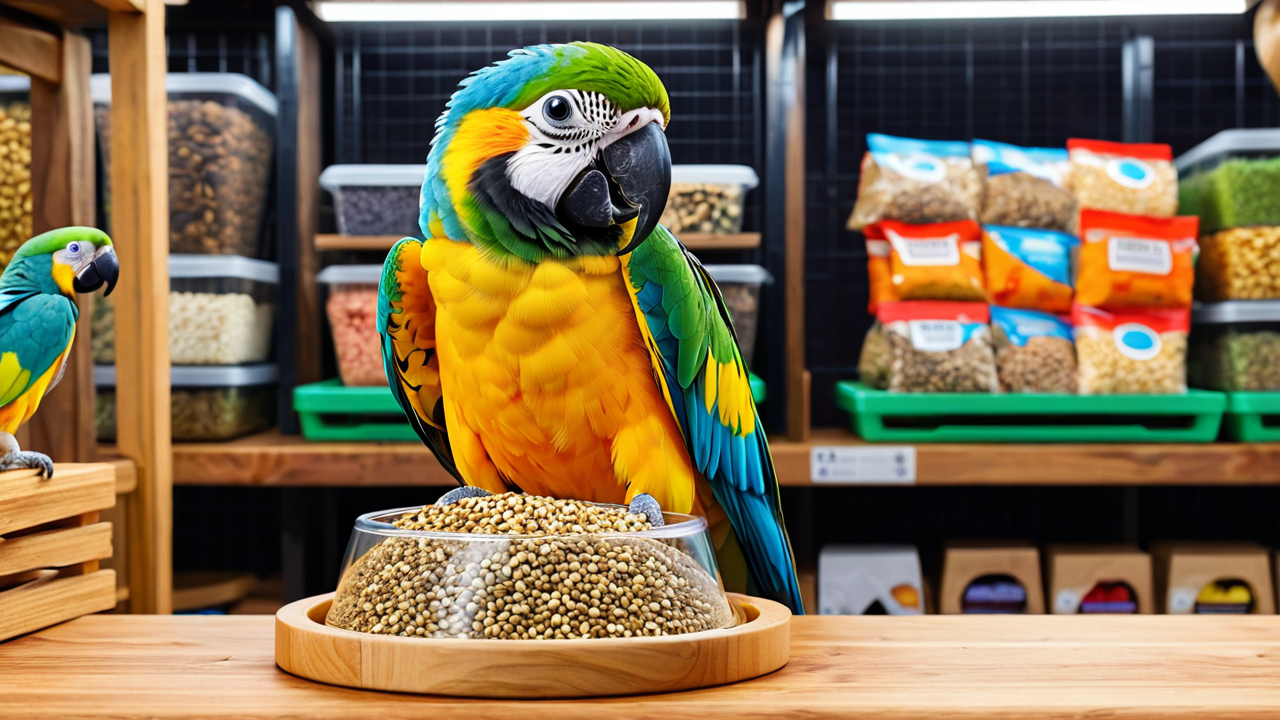
Are Bird Supplies Safe? Your Complete Guide to a Healthy, Happy Bird
For any bird owner, the well-being of their feathered friend is the top priority.
We fill our homes with cages, toys, and food, aiming to create a stimulating and comfortable environment.
But a critical question often lingers in the back of our minds: are bird supplies safe? The unfortunate truth is that not all products marketed for birds meet the stringent safety standards these sensitive creatures require.
From hidden toxins in toys to dangerous cage designs, the wrong supplies can pose serious risks to your bird's health and longevity.
This comprehensive guide will walk you through the essential safety considerations for the three core categories of bird supplies: cages, food, and toys.
We'll provide you with actionable, vet-recommended advice to help you make informed, safe choices for your beloved companion.
Why Bird Safety is Non-Negotiable
Birds are incredibly sensitive creatures. Their unique respiratory systems, high metabolisms, and curious, chewing behaviors make them vulnerable to hazards that might not affect other pets. Common dangers include:
- Toxic Metals: Zinc and lead, often found in cheap metal alloys, paints, and dyes, are poisonous if ingested or chewed.
- Chemical Fumes: Non-stick coatings (PTFE/PFOA), aerosol sprays, scented candles, and strong cleaners can cause fatal respiratory distress.
- Physical Hazards: Poorly constructed toys with loose threads, small, easily swallowed parts, or sharp edges can lead to entanglement, choking, or injury.
- Nutritional Deficiencies: An all-seed diet is a leading cause of obesity, fatty liver disease, and premature death in captive birds.
- Bacterial & Fungal Growth: Dirty food and water dishes, damp cage bedding, and spoiled fresh foods can harbor dangerous pathogens like E
.coli or Aspergillus.
By prioritizing safety in every purchase, you are directly investing in your bird's quality of life and lifespan.
Part 1: Bird Cage Safety – Your Bird's Fortress
The cage is your bird's primary territory—their safe haven. Its safety impacts their physical health, mental state, and overall security.
Bar Spacing: The Most Critical Factor
Choosing the wrong bar spacing is one of the most dangerous mistakes an owner can make. Spacing that is too wide can result in a bird getting its head, neck, or body stuck, leading to panic, injury, or strangulation.
- Small Birds (Budgies, Finches, Canaries): 1/2 inch or less.
- Medium Birds (Cockatiels, Lovebirds, Conures): 5/8 inch to 3/4 inch.
- Large Birds (African Greys, Amazons, Cockatoos): 3/4 inch to 1 inch.
- Macaws & Large Cockatoos: 1 inch to 1.5 inches.
Always measure the spacing between the bars before purchasing.
Material & Construction
- Safe Materials: Powder-coated wrought iron or stainless steel are the gold standards. They are durable, non-toxic, and easy to clean.
- Unsafe Materials: Avoid cages made with zinc, lead, or brass alloys
.Be wary of chipping paint, which can be ingested
."Antique" or decorative cages are often unsafe.
Design & Features for Safety
- Shape: Opt for rectangular or square cages over round ones. Round cages lack corners, which can cause stress as birds have no secure retreat.
- Door Latches: Secure, bird-proof locks are essential, especially for intelligent parrots who can learn to open simple hooks.
- Grates & Trays: Removable bottom grates and trays make cleaning easier, helping to prevent disease
.Ensure there are no sharp edges on cut wires. - Placement: Place the cage in a well-lit, draft-free area away from kitchens (fumes), windows (direct sun/ temperature swings), and heavy traffic areas.
Top Picks: Safe & Recommended Bird Cages
Yaheetech Large Bird Cage: An excellent value for medium birds, featuring safe powder-coated iron, appropriate bar spacing for conures and cockatiels, and multiple doors for easy access.
Prevue Pet Products Wrought Iron Flight Cage: A vet and breeder favorite for small birds.
Its wide, horizontal design encourages flight and exercise, and its wrought iron construction is completely non-toxic.
Part 2: Bird Food Safety – Fueling Health from the Inside Out
"Bird food" is a broad category, and safety here is about both ingredient quality and nutritional balance.
The Seed-Only Diet Myth
A bag of seed mix is not a complete diet.
Seeds are high in fat and deficient in vital nutrients like Vitamin A, calcium, and protein.
Vets estimate that over 80% of health issues in pet birds stem from poor nutrition.
A safe diet is a varied diet.
Components of a Safe, Balanced Diet
1
.High-Quality Pellets: Formulated pellets (like Harrison's, Roudybush, or TOP's) should constitute 60-80% of a parrot's diet
.They are nutritionally complete and prevent selective eating.
2
.Fresh Vegetables & Greens: Offer a daily chop of dark leafy greens (kale, chard), orange veggies (sweet potato, carrot), and other safe veggies (broccoli, bell peppers).
3. Limited Fruits & Treats: Fruits are high in sugar. Offer them in small amounts 2-3 times a week as a treat.
4
.Clean, Fresh Water: Water must be changed daily
.Use stainless steel or ceramic bowls to prevent bacterial biofilm growth, which is common in plastic.
Critical Food Safety Practices
- Avoid Toxic Foods: Never offer avocado, chocolate, caffeine, alcohol, onions, garlic, apple seeds, or fruit pits.
- Prevent Spoilage: Remove fresh foods (chop, fruit) from the cage within 2-4 hours to prevent bacterial growth.
- Storage: Store seed and pellets in airtight containers in a cool, dry place to prevent rancidity and moth infestations.
- Wash Produce: Thoroughly wash all fresh fruits and vegetables to remove pesticide residue.
Part 3: Bird Toy Safety – Enrichment Without Risk
Toys are vital for mental and physical health, preventing boredom and destructive behaviors. However, they are also the category with the most potential for hidden hazards.
The Safety Checklist for Every Toy
Before giving any toy to your bird, inspect it using this checklist:
- Material: Is it made from bird-safe woods (pine, balsa, mahogany, bamboo), natural fibers (sisal, cotton rope), or safe, untreated leather
?Avoid dyed woods if you are unsure of the dye's origin. - Construction: Are parts securely fastened
?Can the toy be easily dismantled
?Are there quick links (stainless steel is best) instead of easily opened clips? - Size Appropriateness: Are any parts small enough to be swallowed? A good rule: any individual piece should be larger than your bird's eye.
- Hardware: Ensure all chains, quick links, and fasteners are made of stainless steel or nickel-plated, not zinc-plated.
- Ropes & Fibers: Check cotton rope toys daily
.If they become frayed with long strands, trim them immediately to prevent entanglement of toes or necks.
Supervision & Rotation
- Always supervise your bird with a new toy for the first few sessions to see how they interact with it.
- Rotate toys weekly to maintain novelty and prevent boredom without cluttering the cage.
Top Picks: Safe & Engaging Parrot Toys
Super Bird Creations Foraging Toys: These toys encourage natural foraging behavior, made from safe, untreated woods and cardboard. They are excellent for mental stimulation.
Planet Pleasures Natural Shape Toys: Crafted from 100% natural, bird-safe materials like loofah, seagrass, and sola wood.
They satisfy the urge to chew and destroy without any unsafe dyes or glues.
Creating an Overall Safe Environment
Beyond the three main supplies, consider these holistic safety tips:
- Air Quality: Never use Teflon/ non-stick cookware, space heaters, or irons around your bird
.The fumes are lethal
.Avoid plug-in air fresheners, scented candles, and strong household cleaners. - Out-of-Cage Time: Ensure the room is bird-proofed (closed windows/doors, covered mirrors/tanks, no exposed electrical cords, no toxic houseplants like lilies or philodendron).
- Regular Vet Care: Establish a relationship with an avian-certified veterinarian
.Annual well-bird checkups are crucial for catching issues early.
Frequently Asked Questions (FAQ)
Q1: How can I test if a toy's dye is safe?
A: It's difficult to test at home.
The safest approach is to purchase toys from reputable, well-known bird specialty brands that explicitly state they use vegetable-based, food-grade, or child-safe dyes.
When in doubt, choose undyed, natural wood toys.
Q2: My bird cage has some rust spots. Is this dangerous?
A: Yes.
Rust can be ingested when your bird chews on the bars and can contain harmful bacteria.
For small surface spots, you can sand the area smooth and apply a bird-safe powder coat paint (available at hardware stores).
For extensive rust, it's safer to replace the cage.
Q3: Is it safe to make my own bird toys?
A: Absolutely, and it can be very rewarding!
Use only confirmed safe materials: untreated wood blocks (from hardware stores, ensure they are not pressure-treated), natural cotton rope, stainless steel hardware, and cardboard from food packaging (like cereal boxes).
Always avoid glue; use stainless steel screws or tightly knotted rope to assemble.
Q4: I've heard mixed things about cuttlebones and mineral blocks. Are they safe?
A: Yes, both are generally safe and provide a good source of calcium and a beak-trimming surface.
However, they can sometimes be high in salt or other additives.
Choose plain versions from a pet brand and offer them in moderation.
Always remove any plastic or metal holders they may come with.
Q5: How often should I deep-clean my bird's cage, and what cleaners are safe?
A: A full deep-clean (taking everything out, scrubbing bars, perches, and dishes) should be done weekly.
Daily, spot-clean droppings and change food/water.
The safest cleaner is a 50/50 solution of white vinegar and water, or a commercial cleaner labeled as safe for pets/birds and free of phenols and strong fumes.
Rinse thoroughly with clean water after cleaning.
Q6: My bird is a heavy chewer and destroys "indestructible" toys quickly. Is this a safety issue?
A: A bird doing its job by destroying toys is normal!
The safety issue arises if they are ingesting large pieces of plastic or fabric.
For power chewers, focus on toys made from very hard woods (like manzanita or eucalyptus), thick pine blocks, and stainless steel foraging toys.
Always monitor for sharp splinters and remove the toy if it creates hazardous shards.
Choosing safe supplies for your bird is the most fundamental act of care you can provide.
It requires vigilance, research, and a commitment to looking beyond the label to understand the materials and construction of everything you bring into your bird's environment.
By focusing on safety in their cage, diet, and playthings, you build the foundation for a long, vibrant, and joyful life together.
Your feathered companion depends on your choices—make them count.
Related Articles
Related Products
Check out our top-rated Birds products
